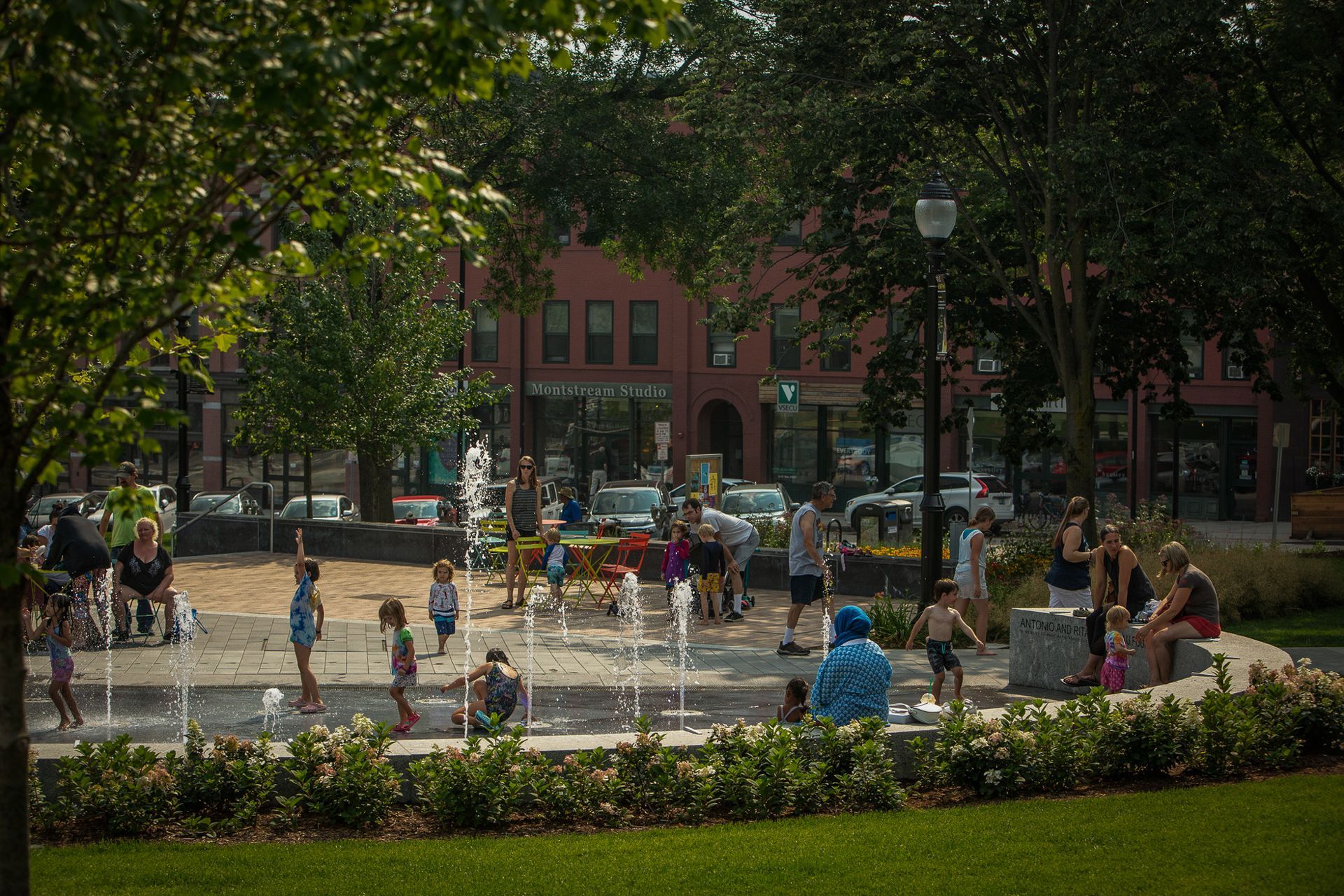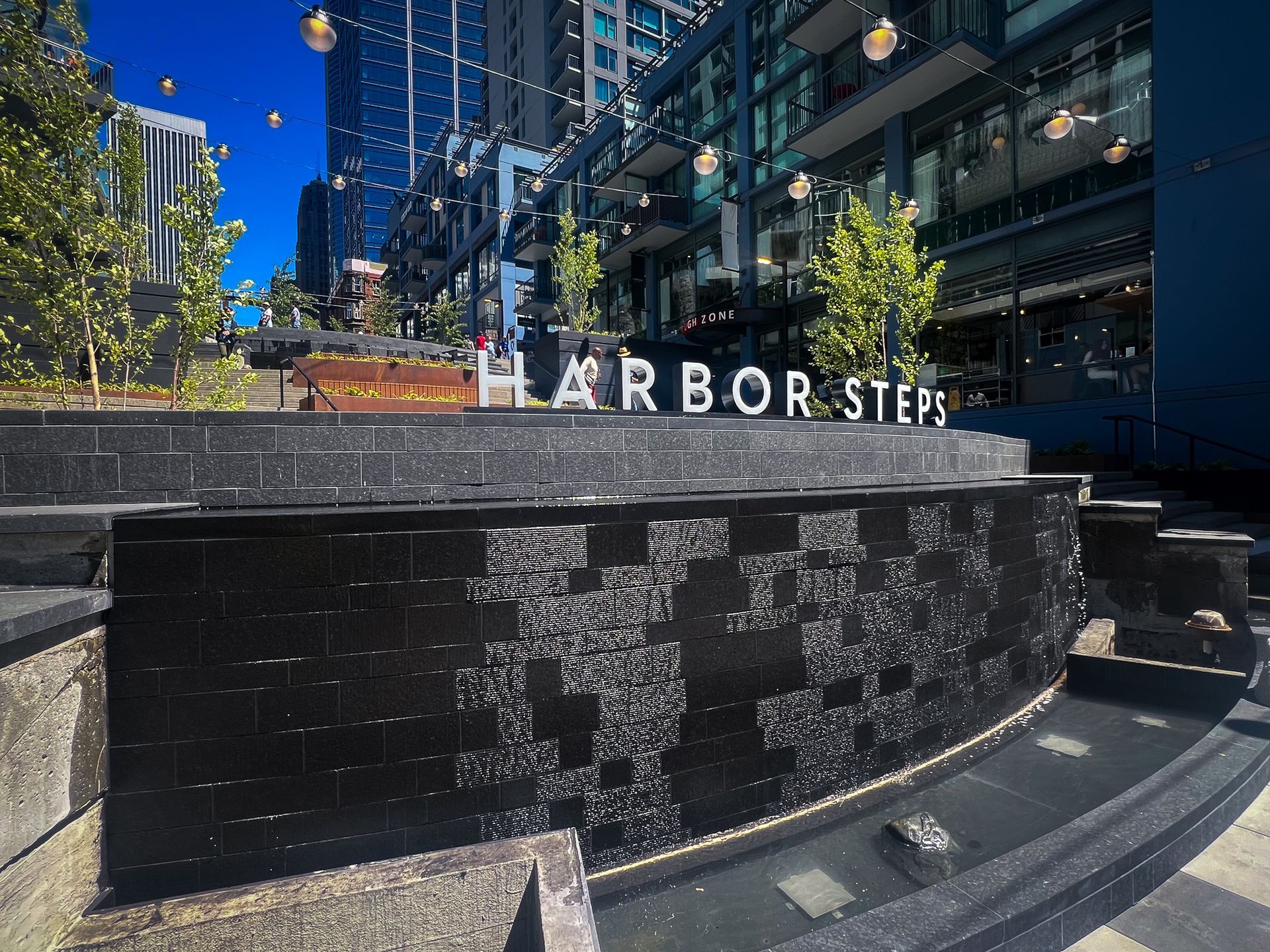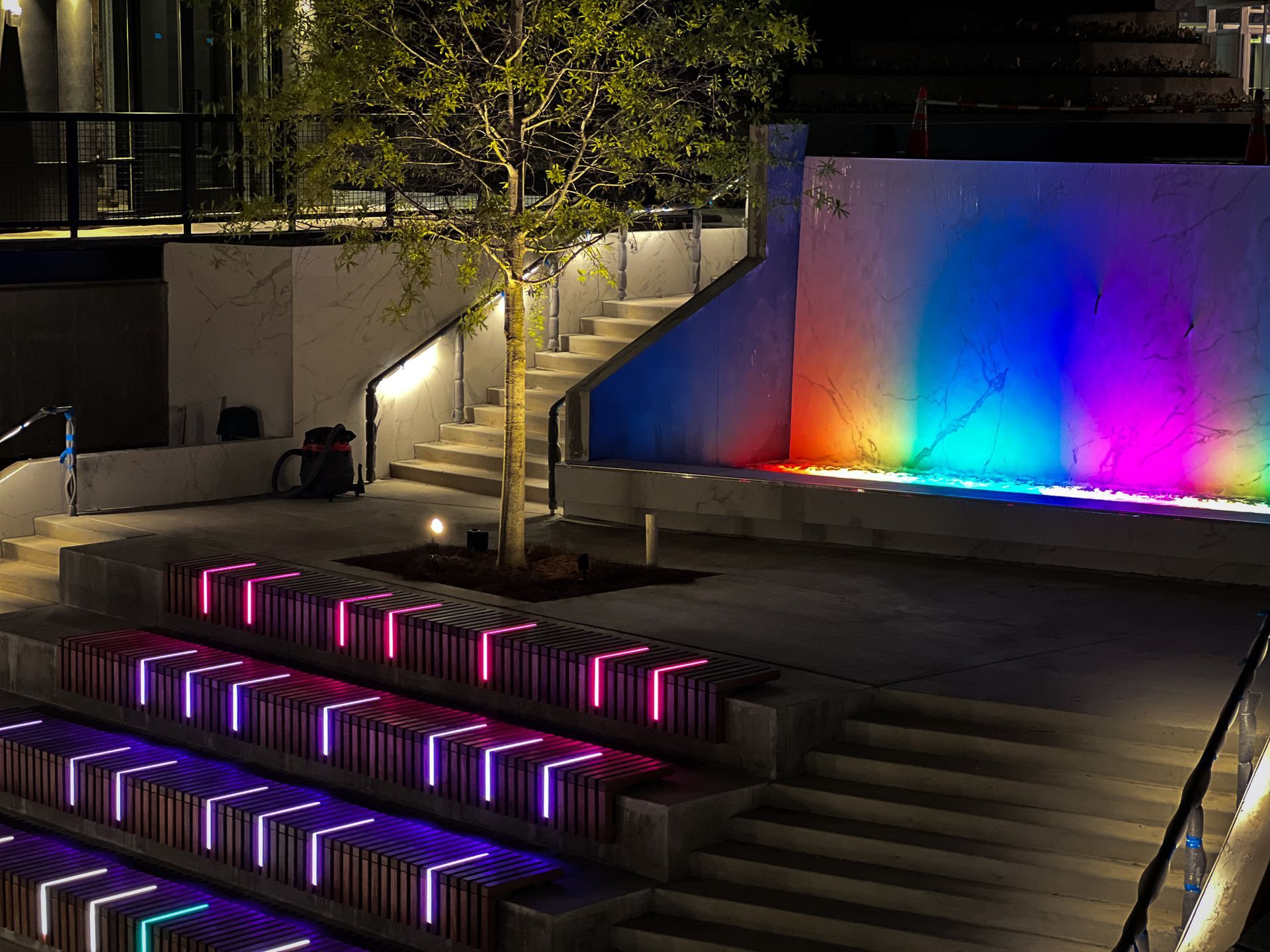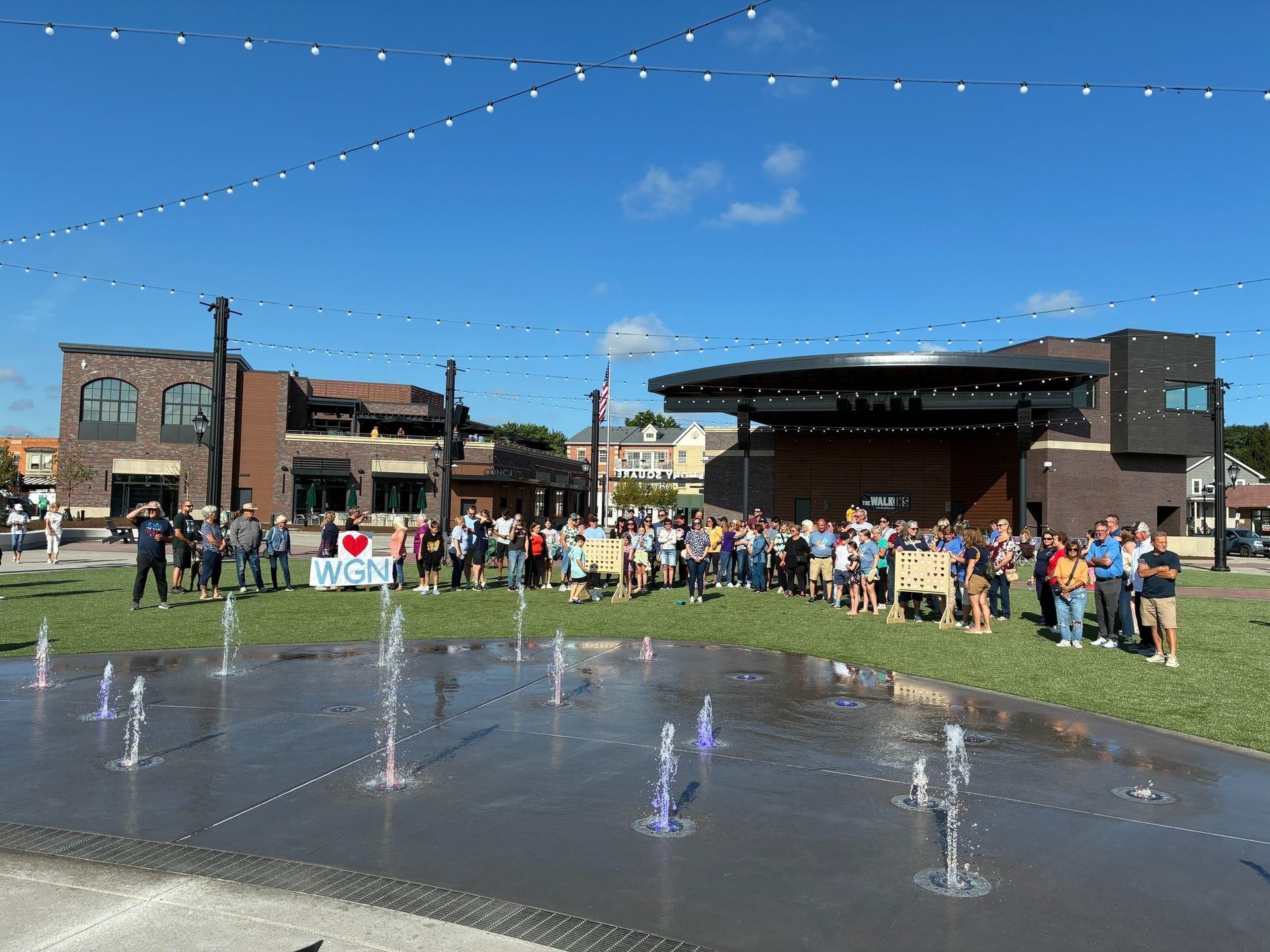
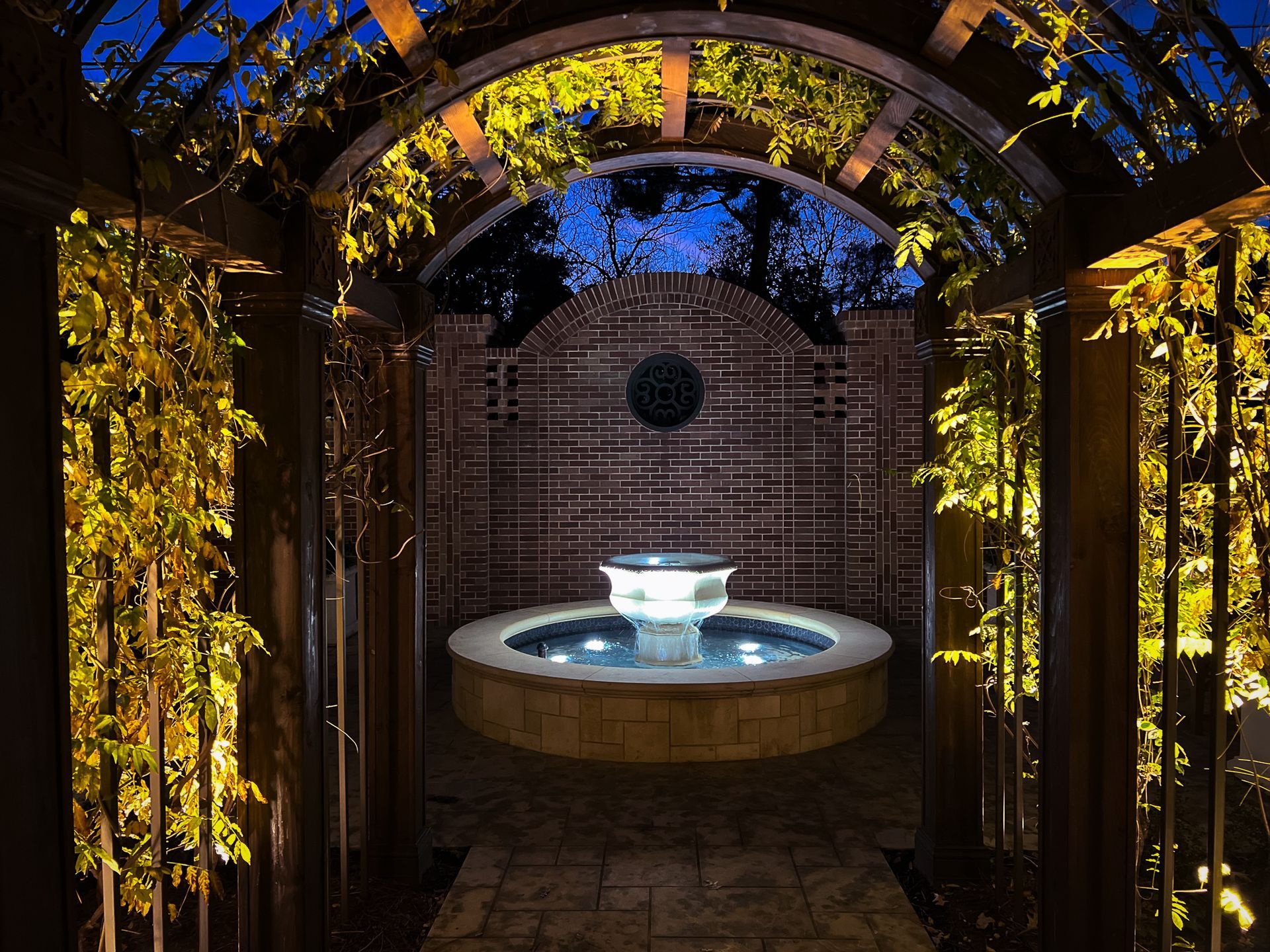
St. Martin's Church Fountain - Houston, TX
St. Martin's Church - Houston, TX
How a Campus Water Feature Supports a Large-Scale Church Environment: St. Martin’s Episcopal Church — Houston, TX
St. Martin’s Episcopal Church in Houston is one of the largest Episcopal congregations in the United States, with a multi-building campus that serves thousands of visitors each week. As the campus has expanded over time, exterior gathering spaces have played an important role in circulation, arrival, and day-to-day use.
The water features located throughout the church grounds act as prominent architectural elements within the campus, reinforcing a sense of place and providing a consistent visual and auditory presence. These systems were constructed to operate reliably in a high-use environment while complementing the surrounding stonework and landscape.
Infrastructure Considerations for a High-Use Institutional Setting
Unlike many civic plaza installations, water features on an active church campus must support daily services, events, and continuous pedestrian movement. At St. Martin’s, the systems were built with long-term reliability and serviceability in mind.
Key considerations included:
• Continuous operation during peak use
• Safe and controlled water circulation
• Concealed mechanical infrastructure
• Durable finishes suited to heavy traffic
• Accessible service points for long-term maintenance
These elements ensure the features can perform consistently without disrupting daily campus activity.
Collection and Recirculation Systems
At the core of each feature is a concealed basin and recirculation system that collects and reuses water as it cycles through the fountains. Water is filtered, treated, and returned through the system to maintain clarity and performance throughout the day
.
This closed-loop approach supports efficiency while allowing the features to run continuously in a public setting where reliability is essential.
Mechanical Systems and Equipment Integration
Primary mechanical components are housed below grade to maintain a clean visual environment across the campus. Locating pumps, filtration systems, and controls in dedicated service areas allows for easier access during routine maintenance and system checks.
Core system components include:
• Circulation pumps and filtration equipment
• Automated chemical treatment systems
• Electrical panels and controls
• Lighting transformers and drivers
• Monitoring systems for water levels and flow
Integrating this equipment below grade protects it from weather and keeps it out of public view while ensuring long-term performance.
Controls and Operational Management
A centralized control interface manages daily operation of the water features. This includes monitoring water chemistry, pump operation, and lighting schedules.
The system allows operators to adjust performance based on seasonal needs, special events, and regular campus use while maintaining consistent functionality throughout the year.
Construction Scope
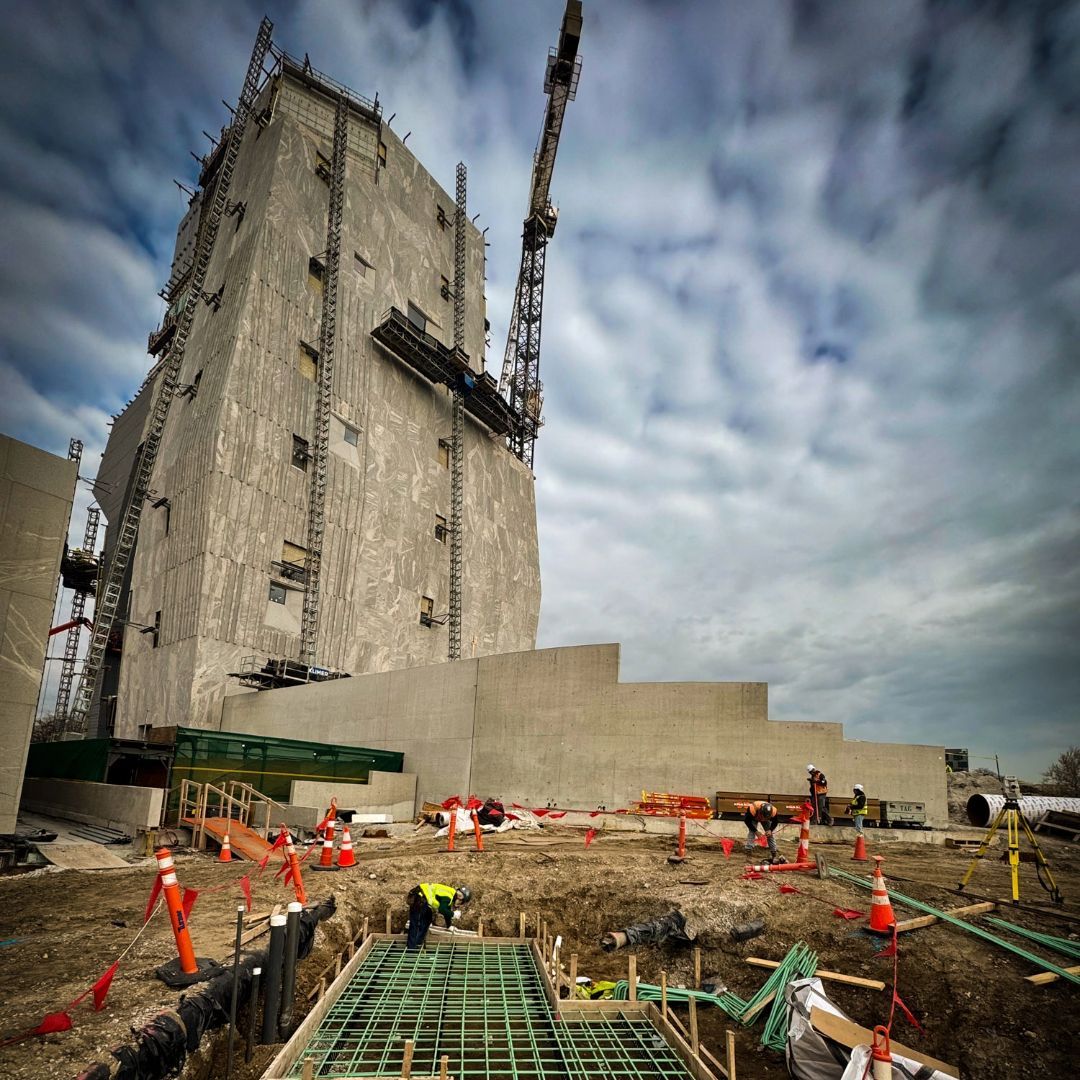
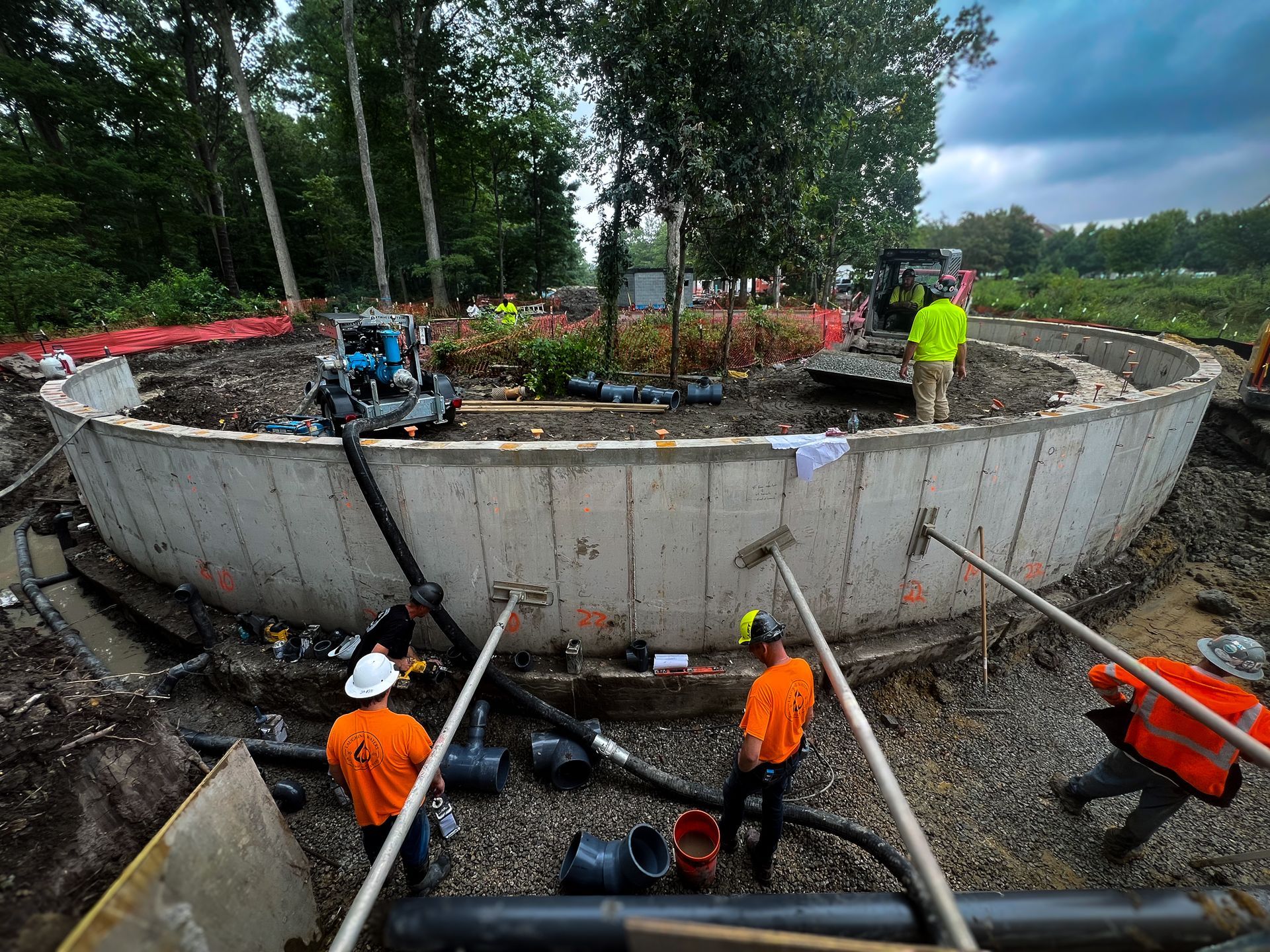
Work on the water features included full system installation and coordination with the surrounding architectural and site elements. The scope incorporated all major mechanical and electrical components required for long-term operation.
Installation included:
• Underground collection basins
• Pumping and filtration systems
• Plumbing and spray components
• Lighting systems
• Electrical and control infrastructure
• Equipment vault integration
Each element was coordinated with site construction to ensure the systems could operate reliably within the larger campus environment.
Commissioning and System Testing
Following installation, the systems were tested and calibrated to confirm proper operation. This process included flow adjustments, pressure checks, and verification of automated controls.
Commissioning ensures that the water features perform as intended while meeting safety and operational standards for a public environment.
Supporting the Campus Environment
The water features at St. Martin’s Episcopal Church contribute to the overall campus experience by reinforcing arrival points, walkways, and gathering areas. Their presence helps define key spaces while providing a consistent visual element across the grounds.
Built for durability and long-term use, the systems continue to support daily activity and large-scale events throughout the year.
SHARE THIS