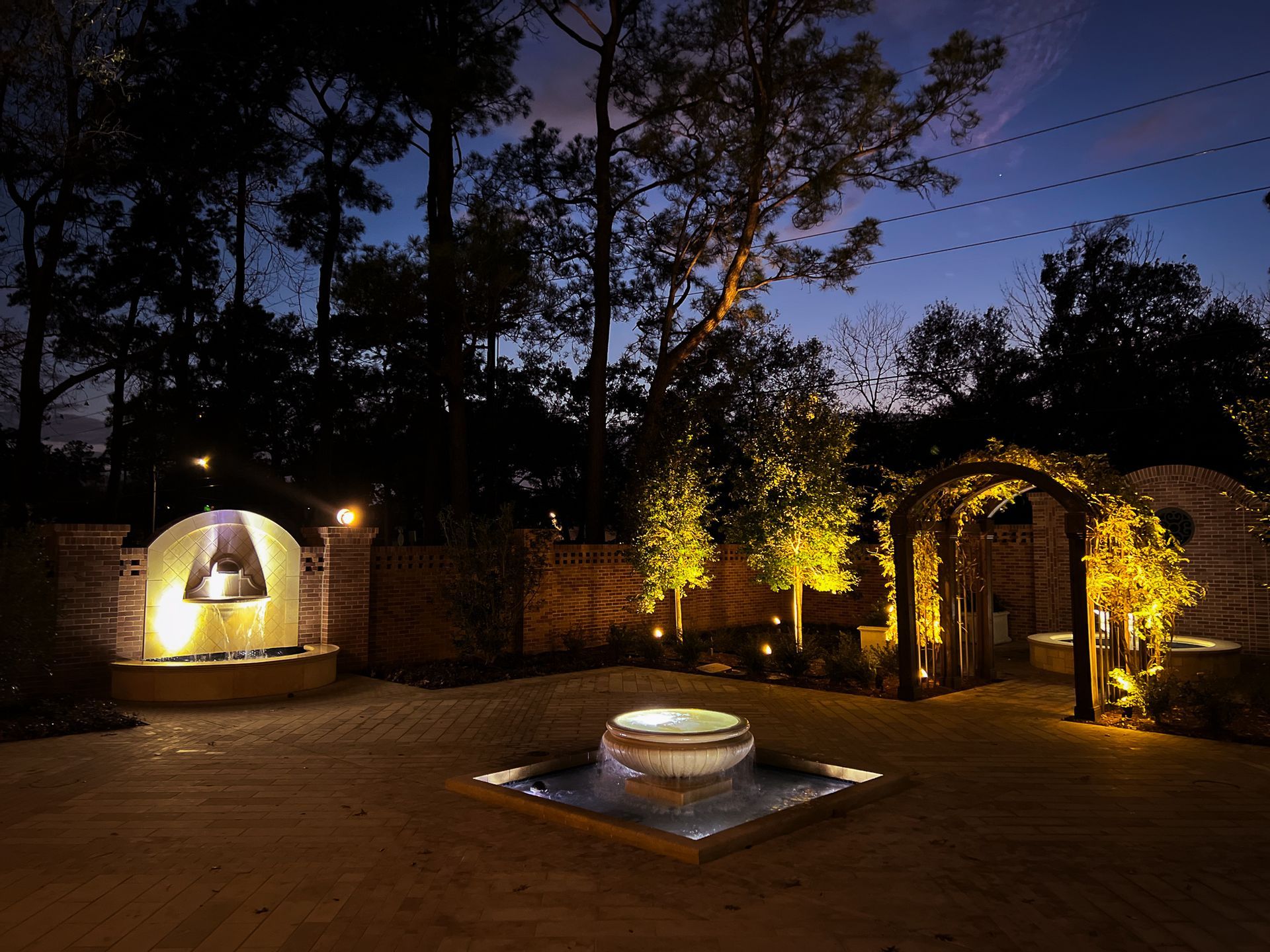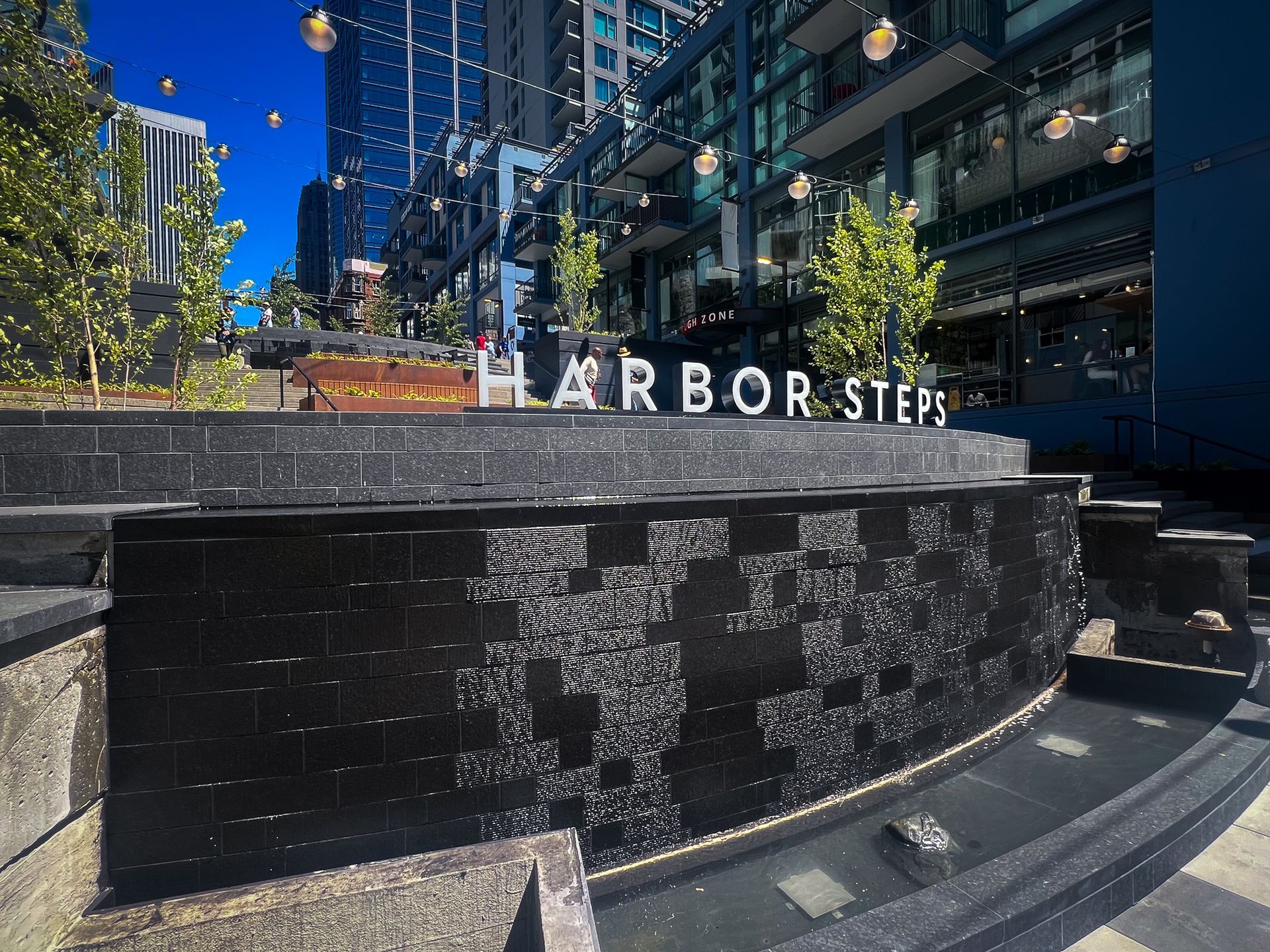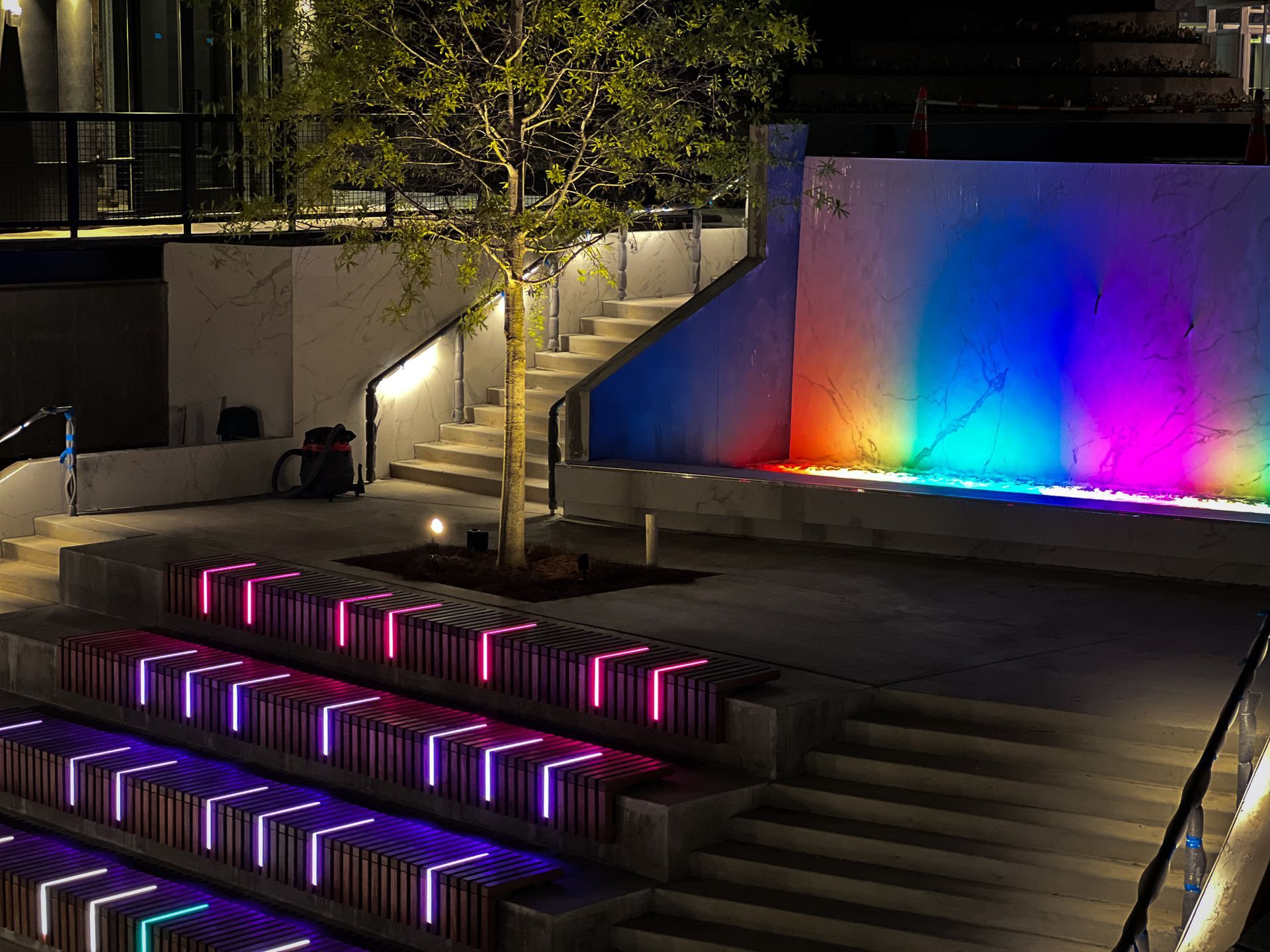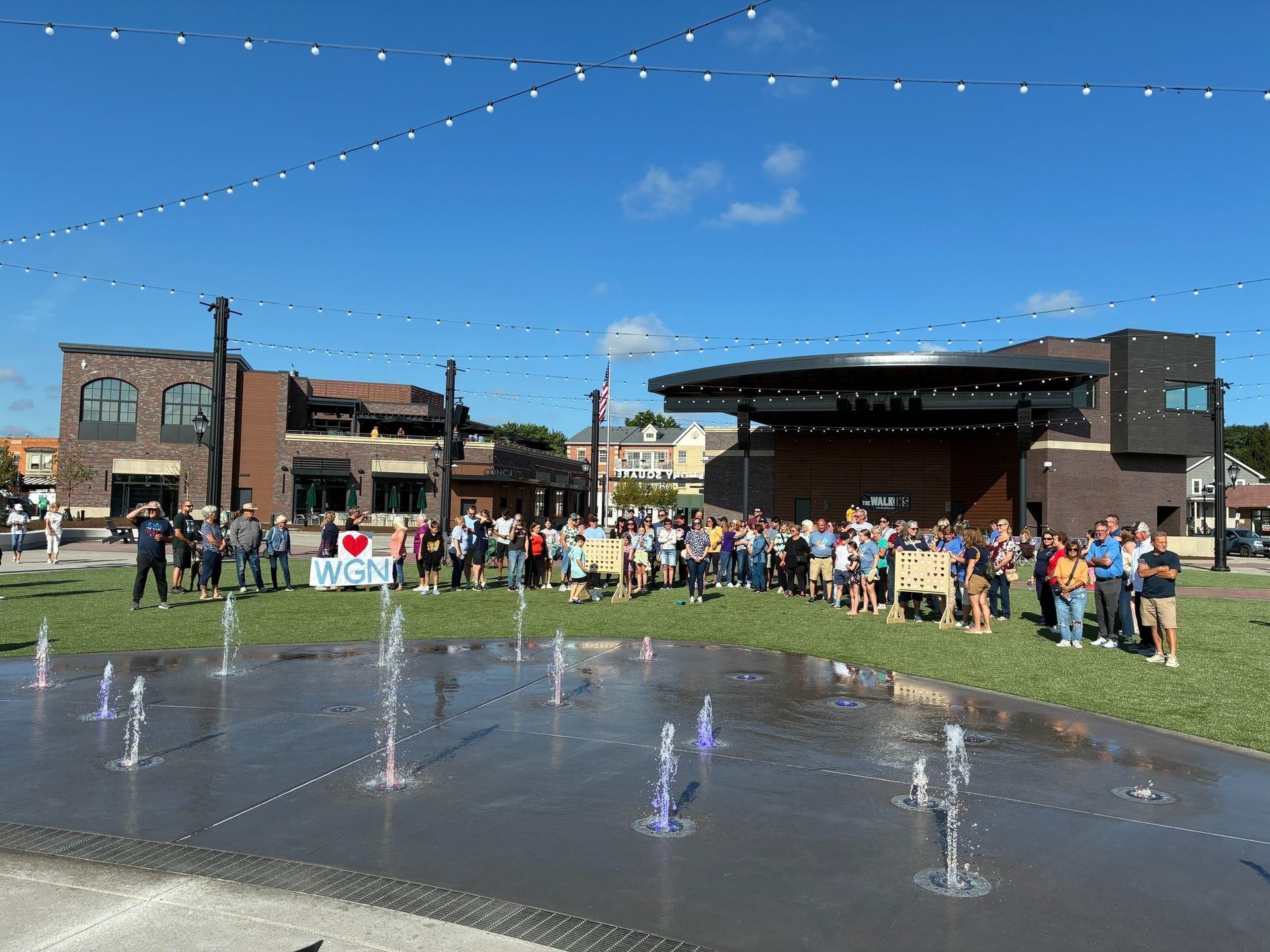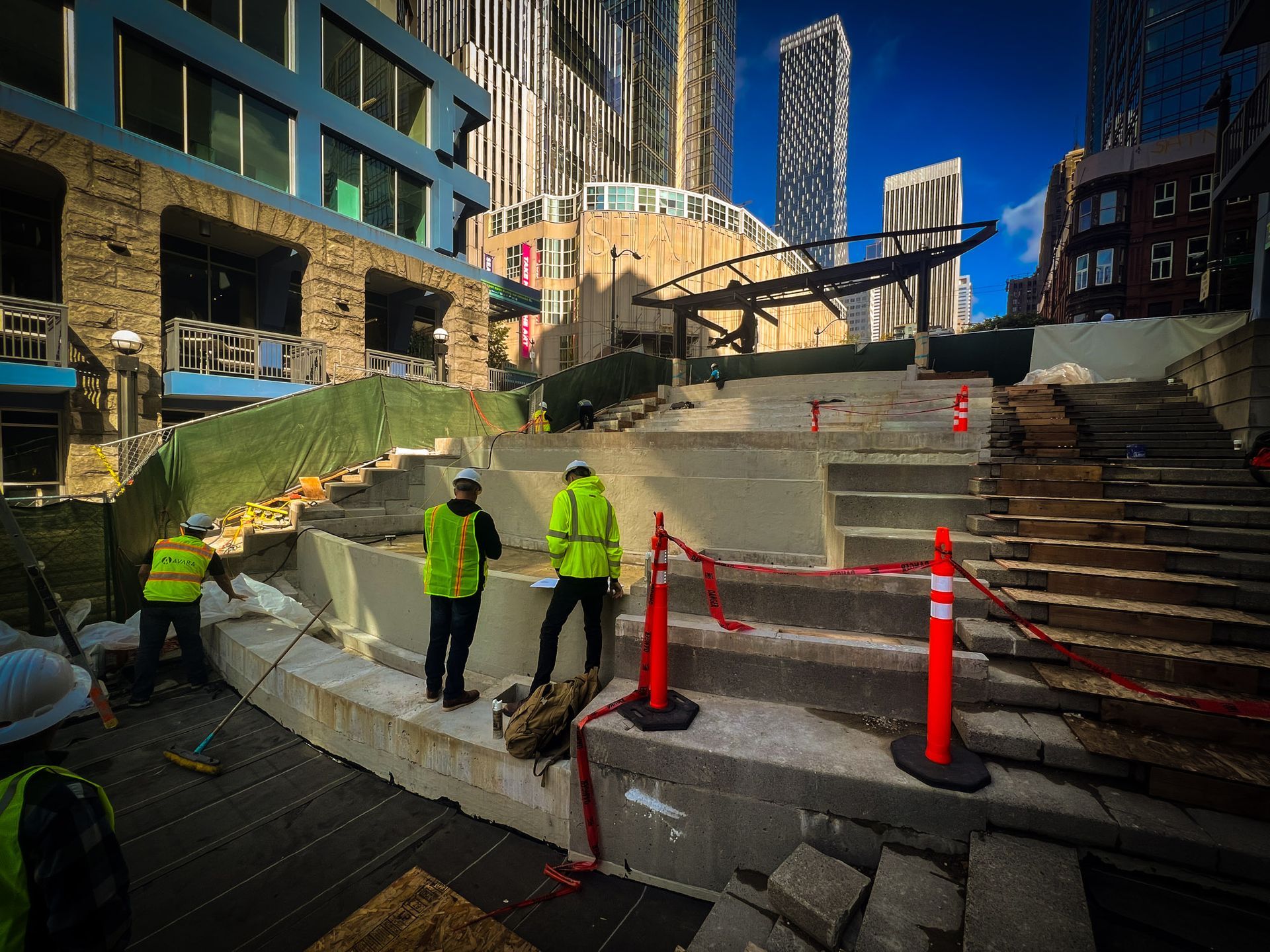
City Hall Park Fountain - Burlington, VT
City Hall Park - Burlington, VT
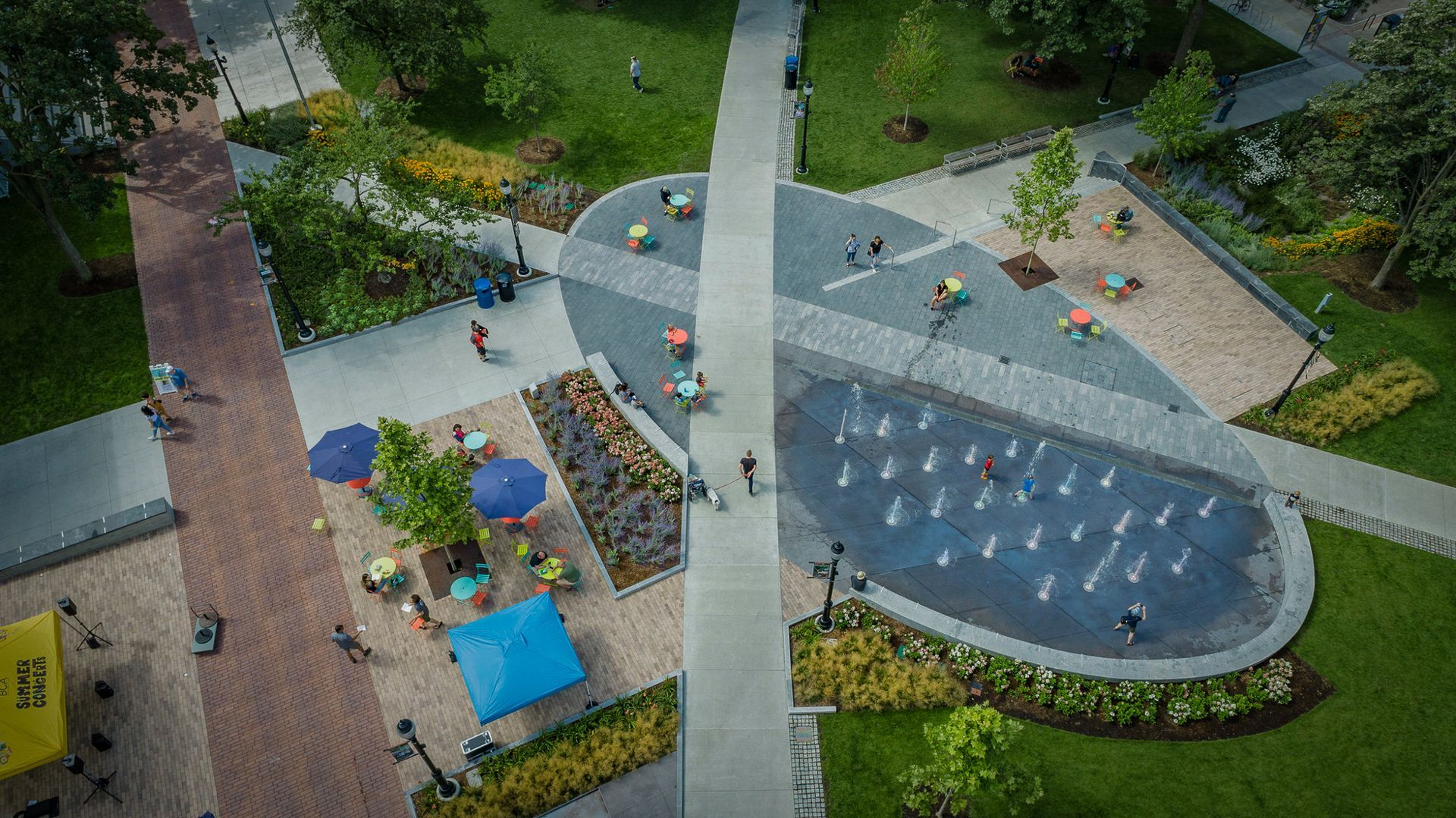
Water Features Supporting a Historic Civic Green: City Hall Park — Burlington, Vermont
City Hall Park sits at the center of downtown Burlington, serving as a primary public gathering space for events, markets, and daily pedestrian activity. The park has undergone several phases of renovation over the past decade, transforming it into a more accessible and flexible civic green while maintaining its historic character.
As part of those improvements, water elements were integrated into the park to reinforce its role as a year-round public destination. The systems were constructed to support consistent operation within a heavily used urban park, while fitting seamlessly into the surrounding hardscape and circulation paths.
Building for Continuous Public Use in a Downtown Park
City Hall Park hosts concerts, festivals, and daily foot traffic throughout the year. Any water feature within the space must operate reliably while accommodating frequent public interaction and seasonal changes.
Construction priorities for the systems included:
• Durable finishes suited to constant pedestrian activity
• Stable drainage across the plaza surface
• Safe water movement within accessible areas
• Concealed infrastructure to preserve open space
• Service access for long-term upkeep
These considerations ensure the features can function consistently without interrupting public use of the park.
Recirculating Water Systems Within the Park
The water elements operate as closed-loop systems, collecting and reusing water through filtration and treatment equipment located below grade. This approach supports efficient operation while maintaining water clarity and performance during daily use.
The systems were constructed to handle fluctuating demand during events and peak seasonal use while remaining adaptable to Burlington’s colder climate and winter shutdown periods.
Mechanical Equipment and Below-Grade Infrastructure
Core mechanical components are located in protected service areas beneath the park. Housing equipment below the surface allows the park to remain visually open while still providing access for maintenance crews when needed.
Key components include:
• Circulation and filtration equipment
• Chemical treatment and monitoring systems
• Electrical panels and control interfaces
• Lighting drivers and transformers
• Flow and level monitoring equipment
Placing this infrastructure below grade protects it from weather and reduces visual impact within the historic park setting.
Operational Controls and Monitoring
Automated controls regulate daily operation of the water systems, including pump schedules, water treatment levels, and lighting. These controls allow operators to adjust performance based on seasonal use, events, and maintenance needs.
The systems were constructed to allow reliable operation during peak summer use while supporting seasonal shutdown and start-up cycles typical in northern climates.
Construction and Installation Scope
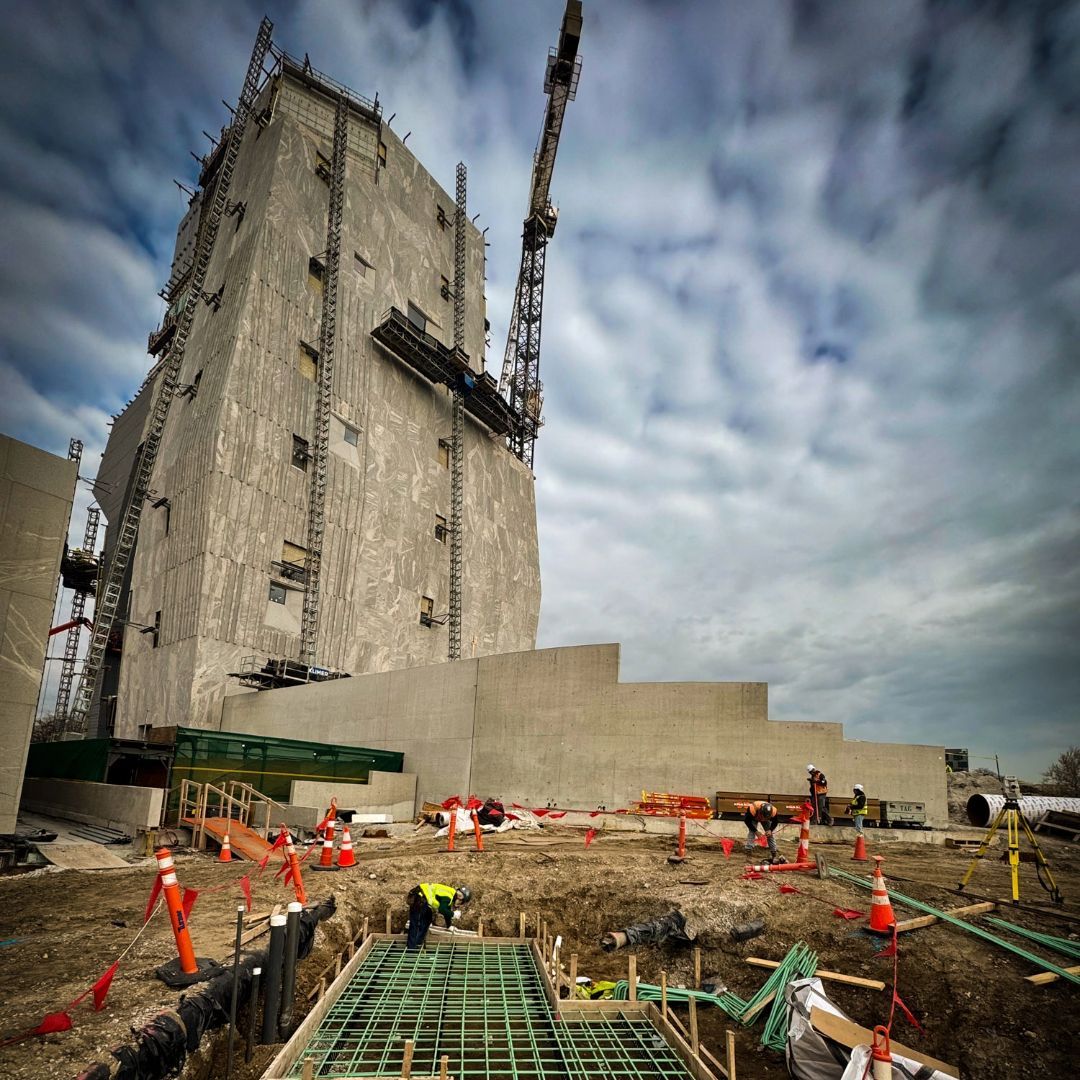
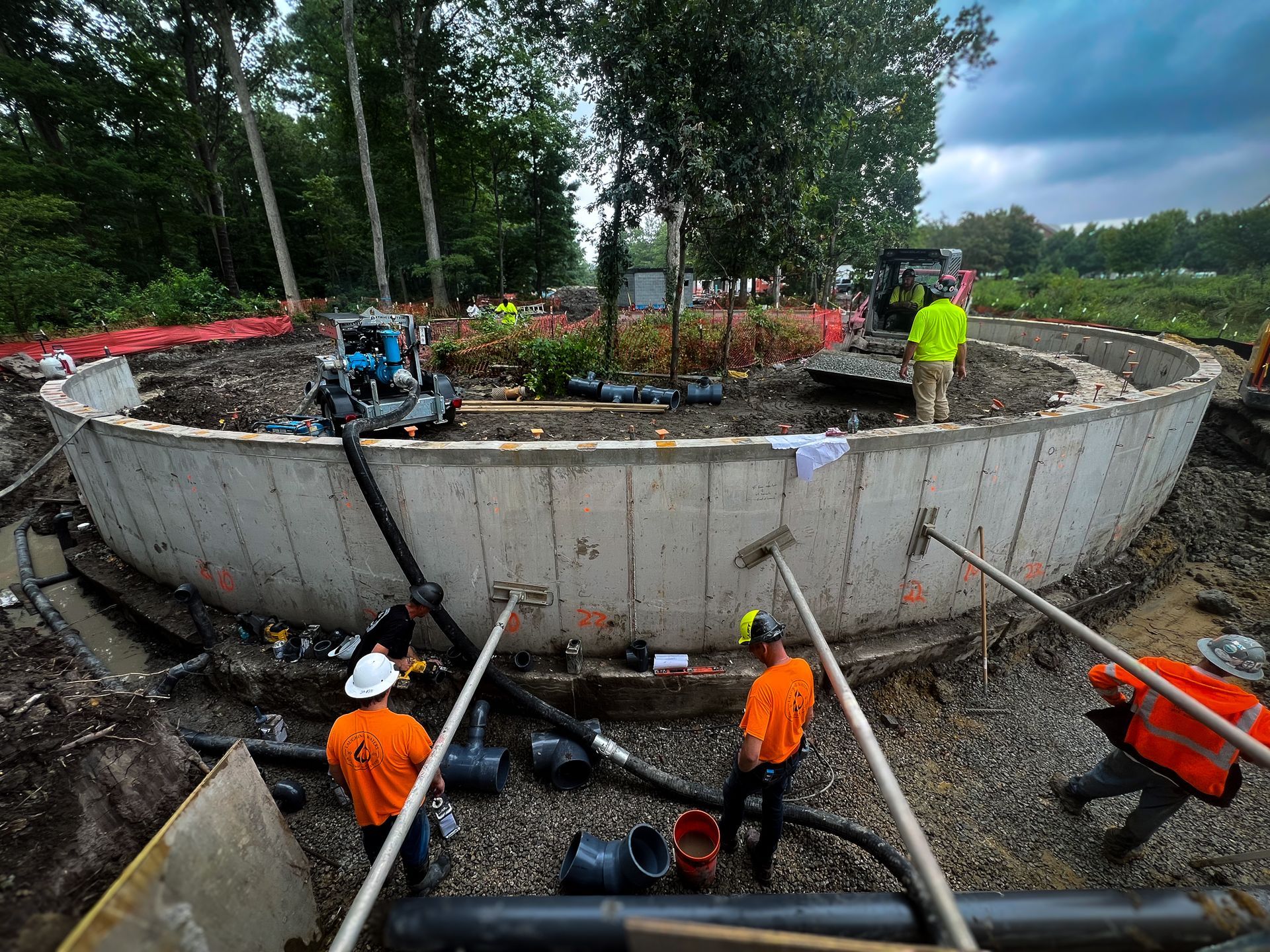
Work within City Hall Park required coordination with ongoing site improvements and surrounding downtown activity. Installation included all major mechanical and electrical components necessary for long-term operation within a public park environment.
The construction scope included:
• Underground collection and equipment areas
• Pumping and filtration systems
• Plumbing and water distribution components
• Lighting and electrical systems
• Control and monitoring infrastructure
All work was coordinated with the park’s renovation schedule to minimize disruption to the surrounding downtown area.
System Start-Up and Testing
Following installation, the systems were tested and calibrated to ensure proper flow, pressure, and operational reliability. Start-up procedures included adjustments to water levels, pump sequencing, and lighting controls.
This process ensures consistent performance during public use while allowing for ongoing seasonal adjustments.
Supporting an Active Civic Space
City Hall Park serves as a central gathering point for Burlington residents and visitors. The water elements contribute to the park’s atmosphere by adding movement and sound while reinforcing the park’s role as a downtown destination.
Built for durability and frequent use, the systems support both everyday activity and large public events throughout the year.
SHARE THIS