How to Properly Winterize a Public Fountain or Splash Pad: Expert Insights from Laughing Waters

David Hanley • December 2, 2025

Winterizing your Fountain or Splash pad with confidence
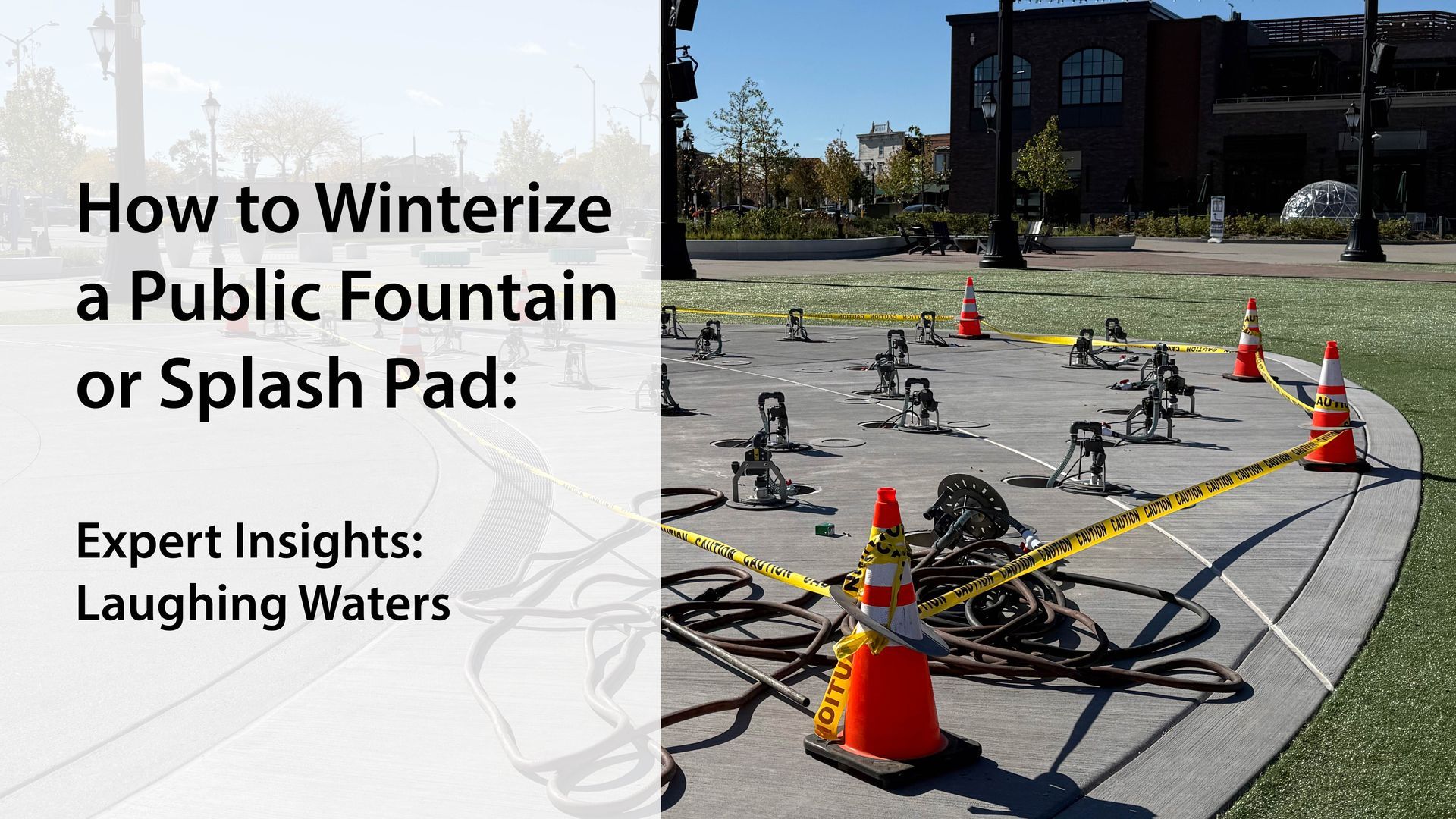
WATCH WINTERIZATION VIDEO

When temperatures start to drop, cities, parks, and developers across the country face a major seasonal challenge: how to correctly winterize a public fountain or splash pad. Without proper preparation, water features can suffer freeze damage, cracked piping, malfunctioning pumps, and costly repairs that delay spring start-up.

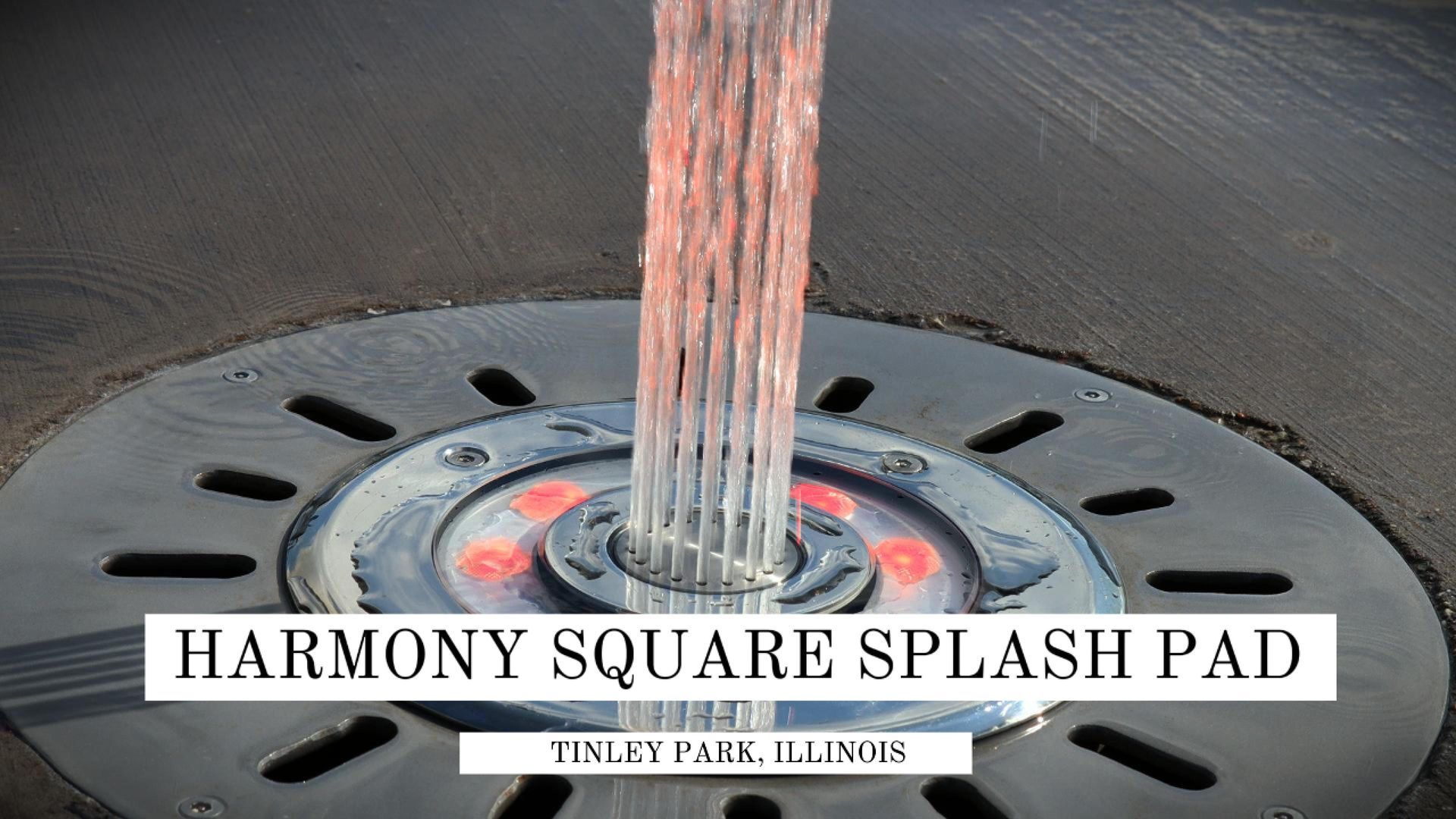
At Laughing Waters, we design, engineer, build, and maintain commercial fountains, splash pads, and architectural water features nationwide. Recently, our team visited Harmony Square in Tinley Park, Illinois—a vibrant community plaza anchored by a custom water feature we engineered and built—to complete seasonal maintenance and prepare the fountain for winter shutdown.

Below, we break down what goes into winterizing a public fountain or splash pad, using Harmony Square as a real-world example.


Understanding the Mechanics Behind a Modern Water Feature

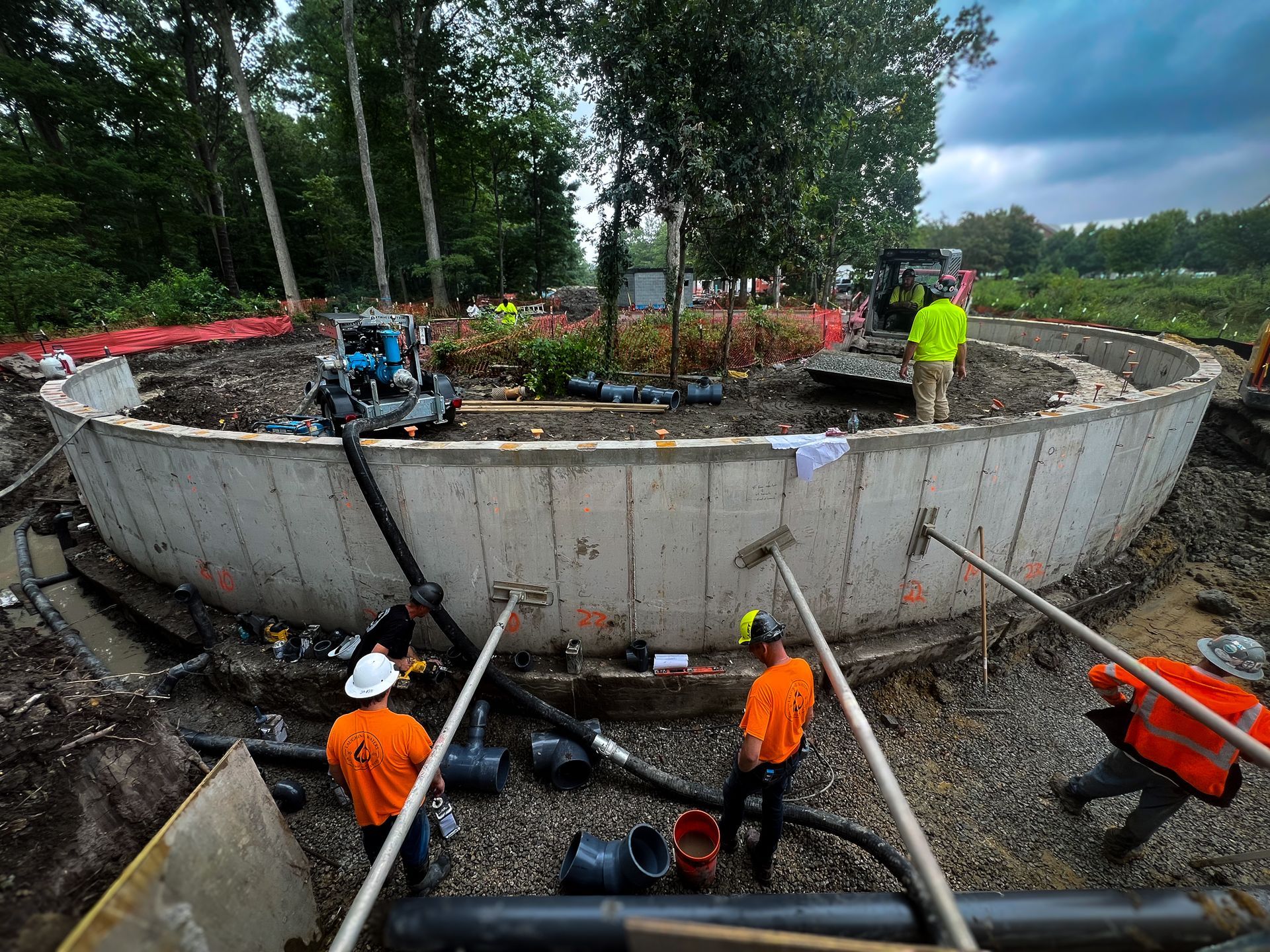
The fountain at Harmony Square is a great example of a modern recirculating water feature. Like many public splash pads and fountains, the system is powered by a collector tank, where all water is stored, filtered, chemically treated, and recirculated. This tank functions much like an underground swimming pool, allowing the system to operate safely, efficiently, and out of public view.

During winterization, this collector tank—and all mechanical components connected to it—must be carefully drained, cleaned, protected, and inspected.


Inside the Fountain Vault: Technology That Needs Winter Protection

Public fountains often rely on complicated mechanical rooms or vaults that house:

  • Main control panels
  • Pumps and motors
  • Filtration equipment
  • Chemical treatment systems
  • Lighting controls
  • Sensors and automation components

At Harmony Square, the control panel features a touchscreen system built by Delta Fountains, a leading specialty manufacturer of custom fountain components. This panel manages everything—including water quality, chlorine and acid dosing, pump scheduling, and even lighting programs.

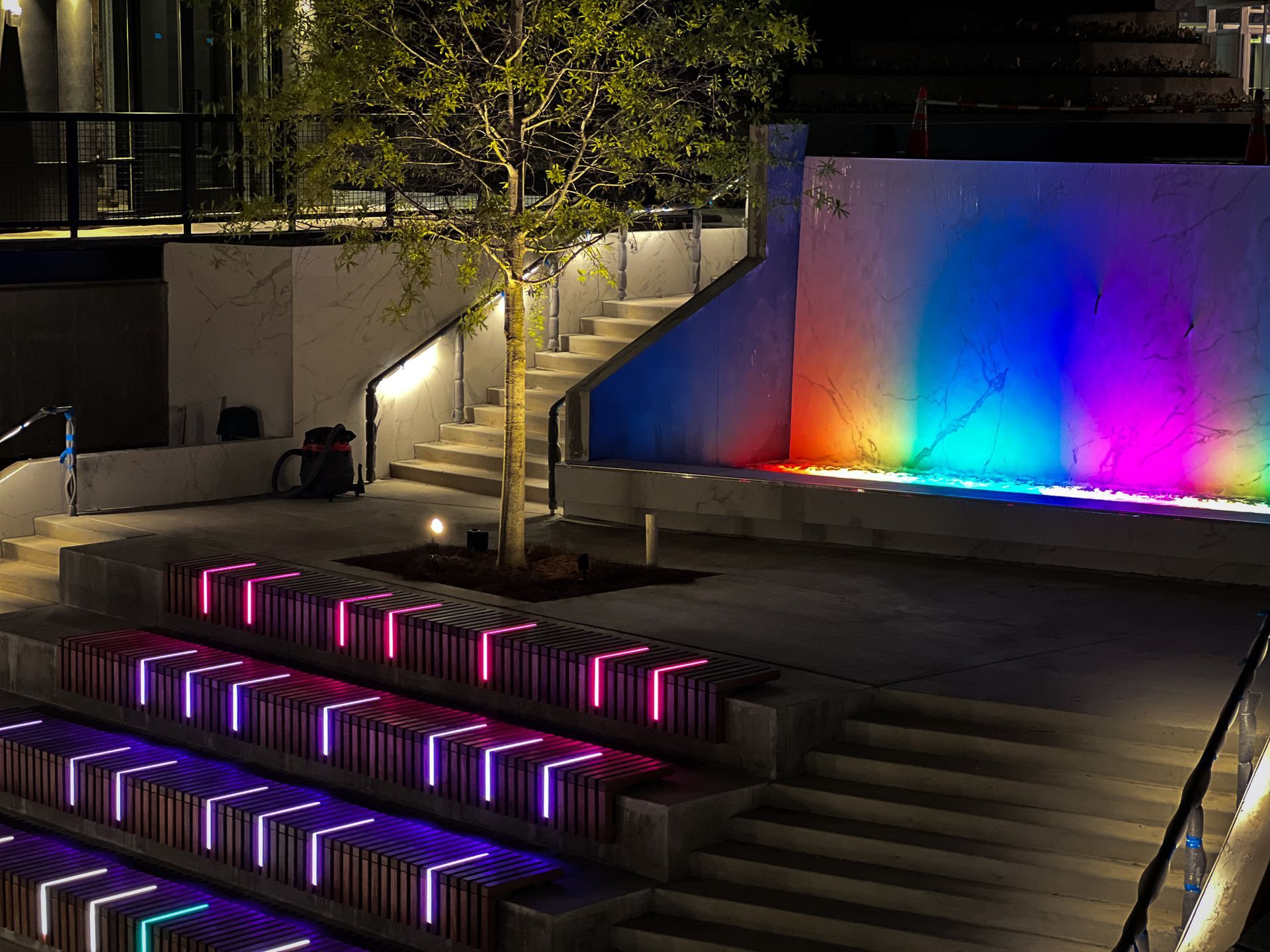
Lighting modes include solid colors (white, red, blue, green) as well as programmable shows such as holiday lighting, rainbow sequences, or Pride-themed displays. All of these components must be safely powered down, dried, and weather-protected for winter.


What Laughing Waters Does During Fountain Winterization

Winterizing a commercial fountain isn’t just shutting off valves—it’s a detailed technical process. At Laughing Waters, our nationwide fountain maintenance team follows a proven checklist to ensure systems survive freezing conditions.


1. Drain and isolate the system

All water is removed from:

  • Collector tanks
  • Supply lines
  • Return lines
  • Pumps
  • Filters
  • Spray nozzles

This prevents freeze expansion and cracking.


2. Protect electrical components

Touchscreens, lighting drivers, sensors, and communication cables are inspected and sealed from moisture.


3. Clean basins, tanks, and equipment

Removing sediment and organic material gives the fountain a clean slate for spring start-up.


4. Test equipment before shutdown

Motors, pumps, valves, and chemical systems are checked to ensure they’re functioning correctly heading into the off-season.


5. Secure hatches and vaults

Winter safety is critical—everything is locked down, concealed, and protected from weather, debris, and public access.


Why Proper Winterization Matters

Cities and municipal parks that winterize early—and correctly—see major long-term benefits:

  • Prevents freeze-related damage
  • Extends equipment lifespan
  • Reduces spring repair costs
  • Improves water quality when reopening
  • Keeps public areas safe during winter months

At Harmony Square, the water feature has become a centerpiece of the community. Residents, visitors, and children enjoy it all summer long, and proper winter maintenance ensures it continues operating reliably year after year.


A Fountain That Brings a Community Together

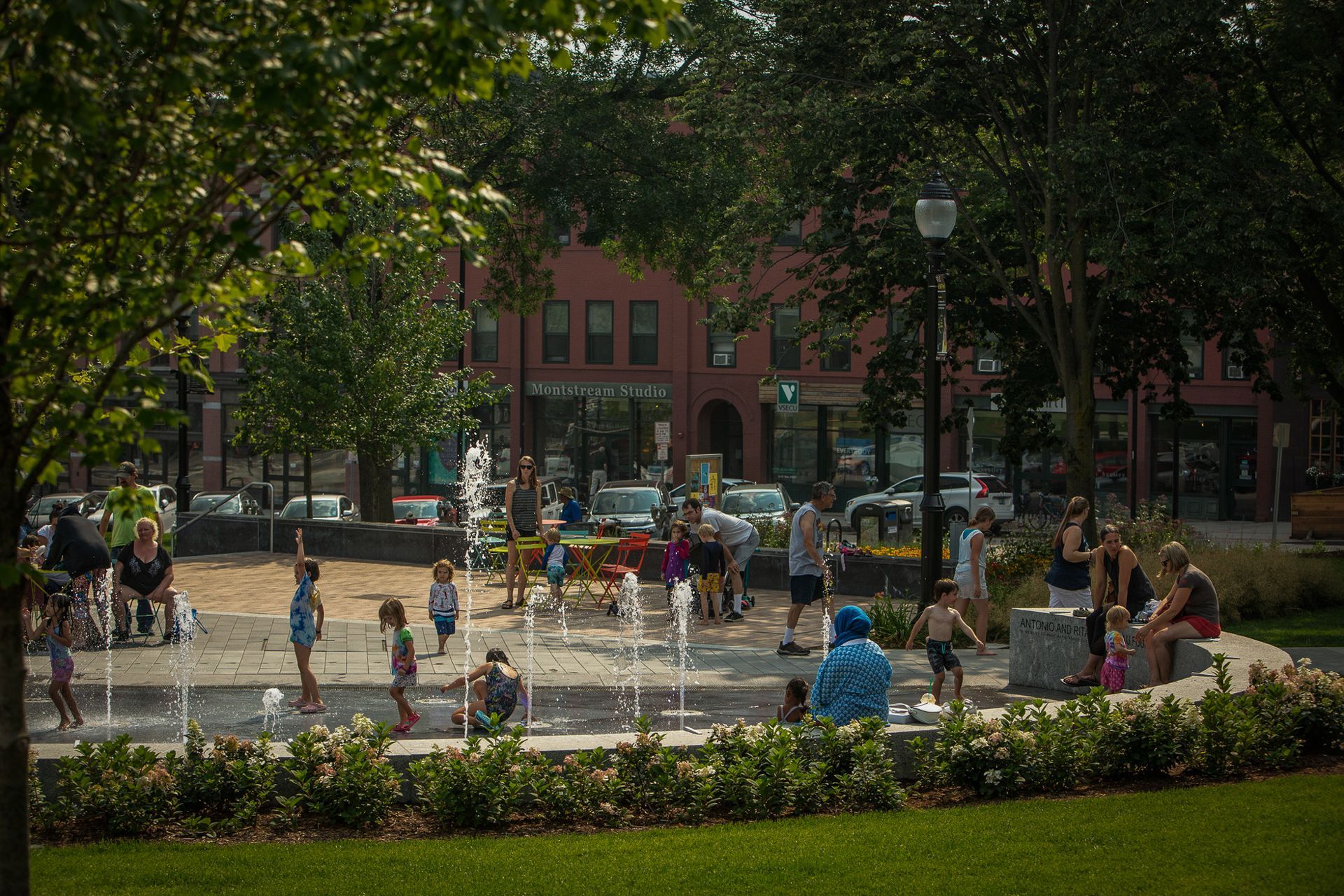
What was once an empty field in Tinley Park has transformed into a thriving community destination. The custom-designed splash pad and fountain at Harmony Square bring families together, creating a space filled with kids laughing, running through the sprays, and enjoying the art and motion of water. It’s a privilege for our team to maintain and care for a water feature that means so much to the community.


Need Winterization for a Public Fountain or Splash Pad? We Provide Nationwide Service

Laughing Waters is a trusted partner for:

  • Public parks
  • Municipalities
  • Landscape architects
  • Developers
  • General contractors
  • Commercial property owners

We offer nationwide fountain winterization, spring start-ups, mechanical repairs, retrofits, and full water feature maintenance programs.

If you have a public fountain, splash pad, interactive water feature, or architectural fountain that needs winter service, our team is ready to help.

Contact Laughing Waters today to schedule winterization or request a maintenance plan.

SHARE THIS
January 26, 2022
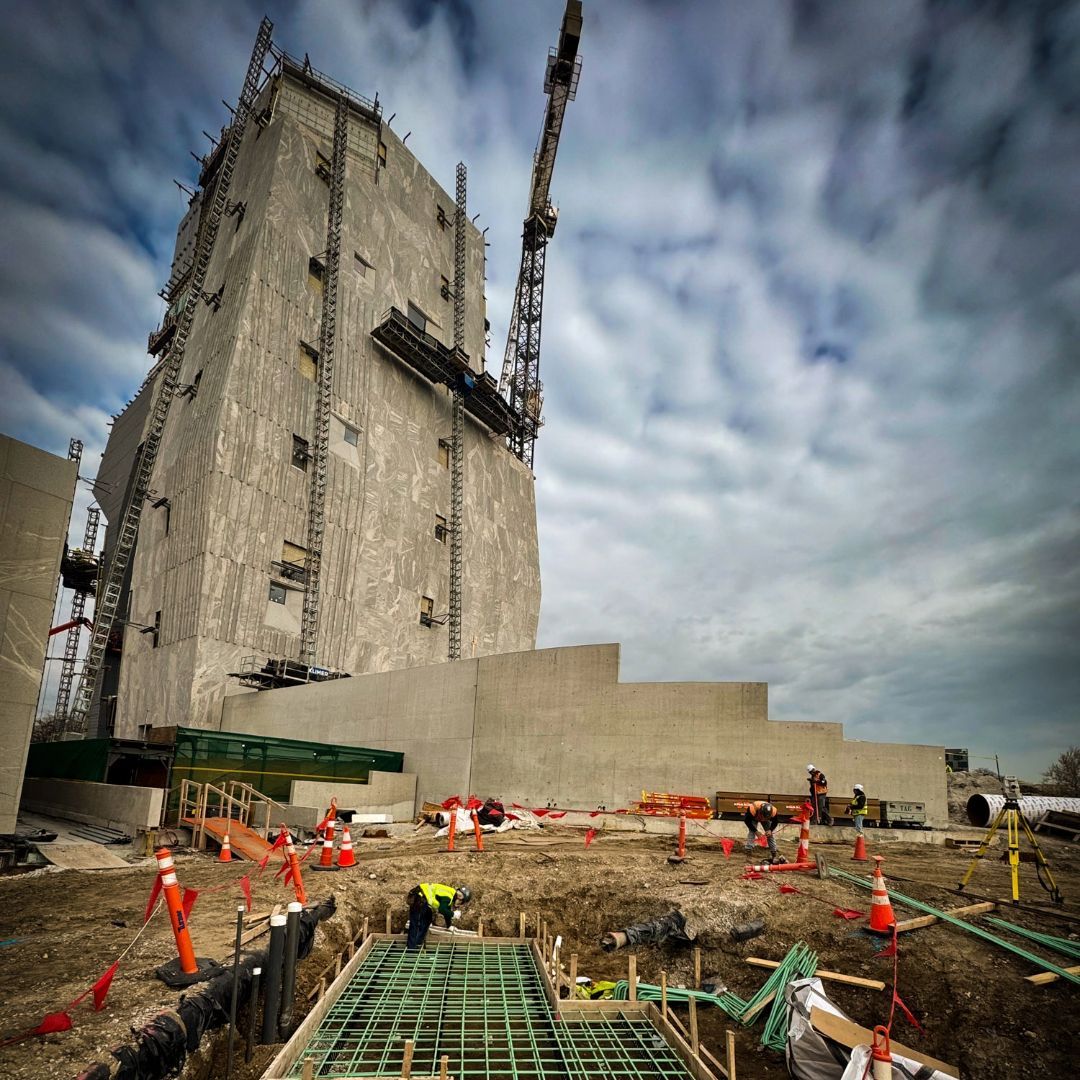
There are few sites in this world more mesmerizing than a masterfully crafted fountain. Onlookers are immediately taken in by its display of light, color, and perfectly designed aquatic movement. What most viewers of these beautiful structures forget to take into consideration is how complex these water features are to function. Since every fountain is unique, each mechanical setup is custom designed and engineered for each specific project. Most large-scale fountains operate with custom mechanical equipment located either in a mechanical room or in a subterranean vault. Underground or Subterranean vaults save valuable square footage in more expensive real estate locations where a separate above-ground pump room or building may not fit. These subterranean vaults are constructed and whenever possible pre-plumbed with everything needed to operate a fully functioning water feature, including Controls, filtration systems, pumps and a tangled web of intricate plumbing. Subterranean vaults are also perfect for parks and more remote outdoor areas where buildings or structures impede the water feature’s environment. Mechanical rooms for fountains are convenient when the feature is within the building limits. Building Engineers and fountain technicians can easily access all of the fountain equipment for service. These mechanical rooms tend to be common in office buildings or larger campuses and are especially advantageous in colder environments where temperatures can fluctuate.
January 26, 2022
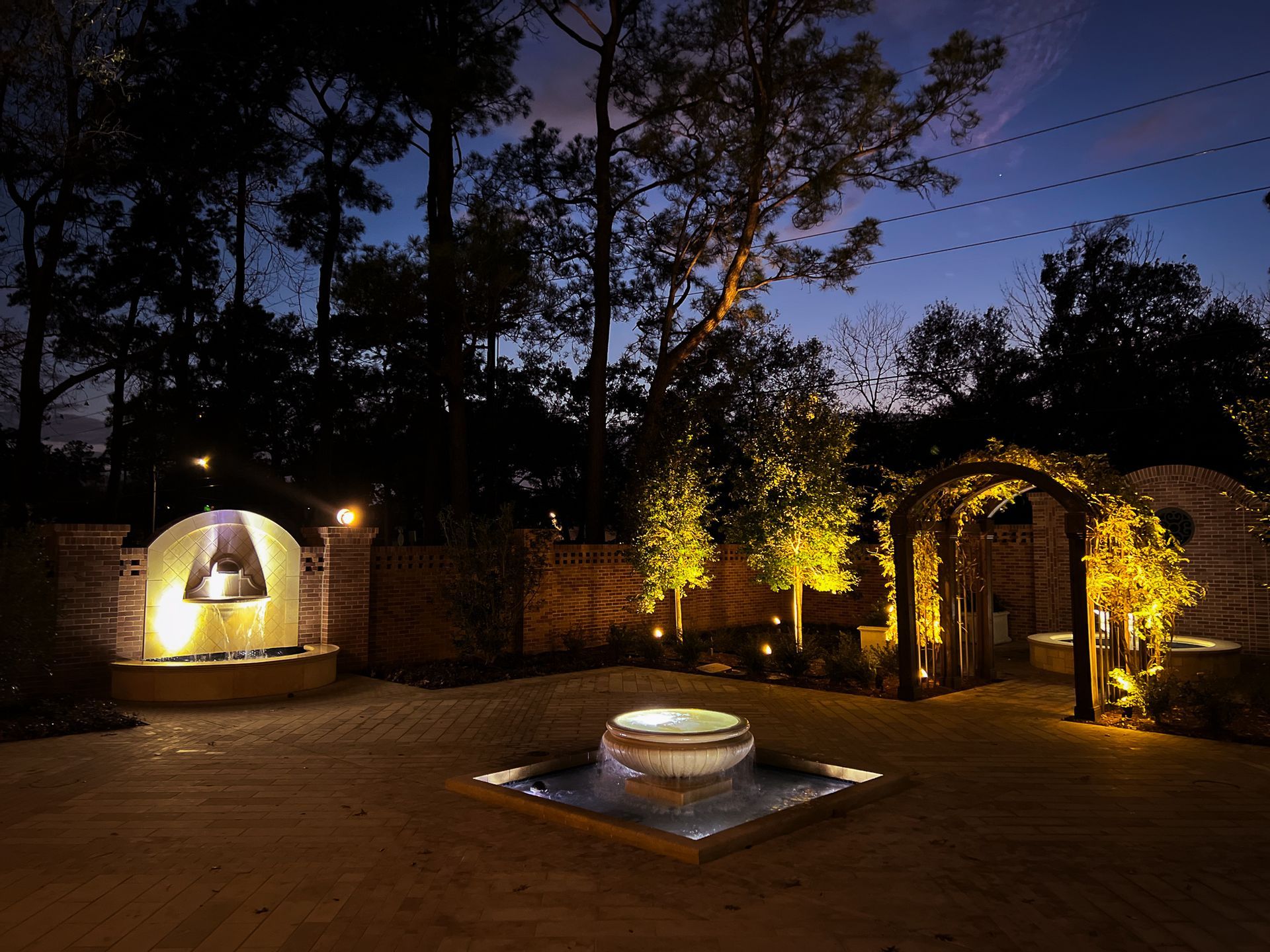
Each and every night, thousands of fountains all over the world light up, illuminating their majestic surroundings into a dreamy elegance. They encapsulate their onlookers with a magical wonder that creates a feeling all its own. It lets the designer highlight subtle nuances of the landscape, creating mystery while maintaining safety and comfort. Fountain lighting technology has improved leaps and bounds over the last decade, making room for an even more cinematic and eye-catching display. Designing proper lighting around a water feature allows its viewers to take advantage of its beauty even after the sunsets. Let’s bask in the glow of Fountain Lighting with some helpful tips and tricks for multiple applications. One of the key elements of lighting water is maintaining a brightness level consistent with the light of its surrounding environment. Indoor water features need to be lit with equal or higher brightness levels for optimal visibility in the setting. When lighting multiple focal points, the light should generally range in brightness within a 3:1 to 5:1 ratio with the main feature at no more than a 10:1 brightness relationship. It is essential to vary your brightness scale of more significant landscapes to accentuate more focal features as well as provide fill light to larger structures.
January 26, 2022
We Hope that We Inspire You as Much as You Inspire Us.
January 26, 2022
The Masters of The Future Are Inspired by The Work of Masters from The Past.
January 26, 2022
Maine’s Mount Desert Island’s Northeast Harbor holds a hidden Gem. When world famous landscape gardener Beatrix Farrand dismantled Reef Point Estate due to financial issues, Inn Keeper and Renaissance Man Charles Savage stepped in to rescue Farrand’s beloved Azalea collection, with financial help of John D. Rockefeller, and incorporated it into one of America’s premier water gardens.
January 26, 2022
Whether you are a Chicagoan born and raised, new to the city, or just visiting, the Park possibilities are vast, unique, and engaging to all. In a city of neighborhoods, each one brings a feel and flavor all its own. While it wouldn’t be impossible to see water features from all over the city in one day, you can expect a bit of exhaustion by the end and not have even scratched the surface. Let’s start our crawl up north by the lake and head west from there. As one of the most attractive features of Chicago, Lake Michigan boasts breathtaking views, beautiful beaches, and so many parks! Alfred Caldwell Lilly Pond There is a strange and tranquil feeling when you step through the gates of this park. The silence is only broken by the singing of birds above the calm babel of waterfalls. Designed to mimic a flowing stream winding through the great plains of The Midwest, landscape architect Alfred Caldwell wanted to give its viewers a secret garden right in the middle of the city. And of course, the lily pond. Originally built in 1889 as a section of a Victorian garden, it displayed lilies and other tropical aquatic plant life along with diverse native foliage, making it a prairie oasis in Lincoln Park. Falling into near disrepair over the years before being revitalized in 2001 by the Chicago Park District, the lily pond has been brought back to life and is the habitat for many plants and animals. Visitors stroll around the ponds stone walkway as a variety of butterflies float through the dewy air while dragonflies zip along the edge of the pond.
January 26, 2022
Laughing Waters may be one of the top water feature companies of the century, but what about other centuries? Particularly, Ancient centuries! Fountains have been used for thousands of years, dating back to Sumerian cultures in 2000 b.c. From the Romans to Ancient Persia, fountains not only provided décor and beauty but function for everyday life. How did these civilizations use and construct these helpful and handsome structures without the control of modern mechanical systems? Aqueducts! As early as Ancient Greece, aqueducts were used to move and utilize water to distribute throughout towns and cities. Canals were constructed, which allowed water to flow into areas where it could not be transported easily directly. Gravity, the world’s natural water pump, was vital. Water sources often started from mountain streams and rerouted, traveling to constructed cisterns and display fountains. Much like modern water towers, height allows water to pressurize and flow down into the cistern, then to homes or public fountains. These fountains were the cities’ primary sources for water and cultural waypoints making ancient life easier and helped beautify town centers.