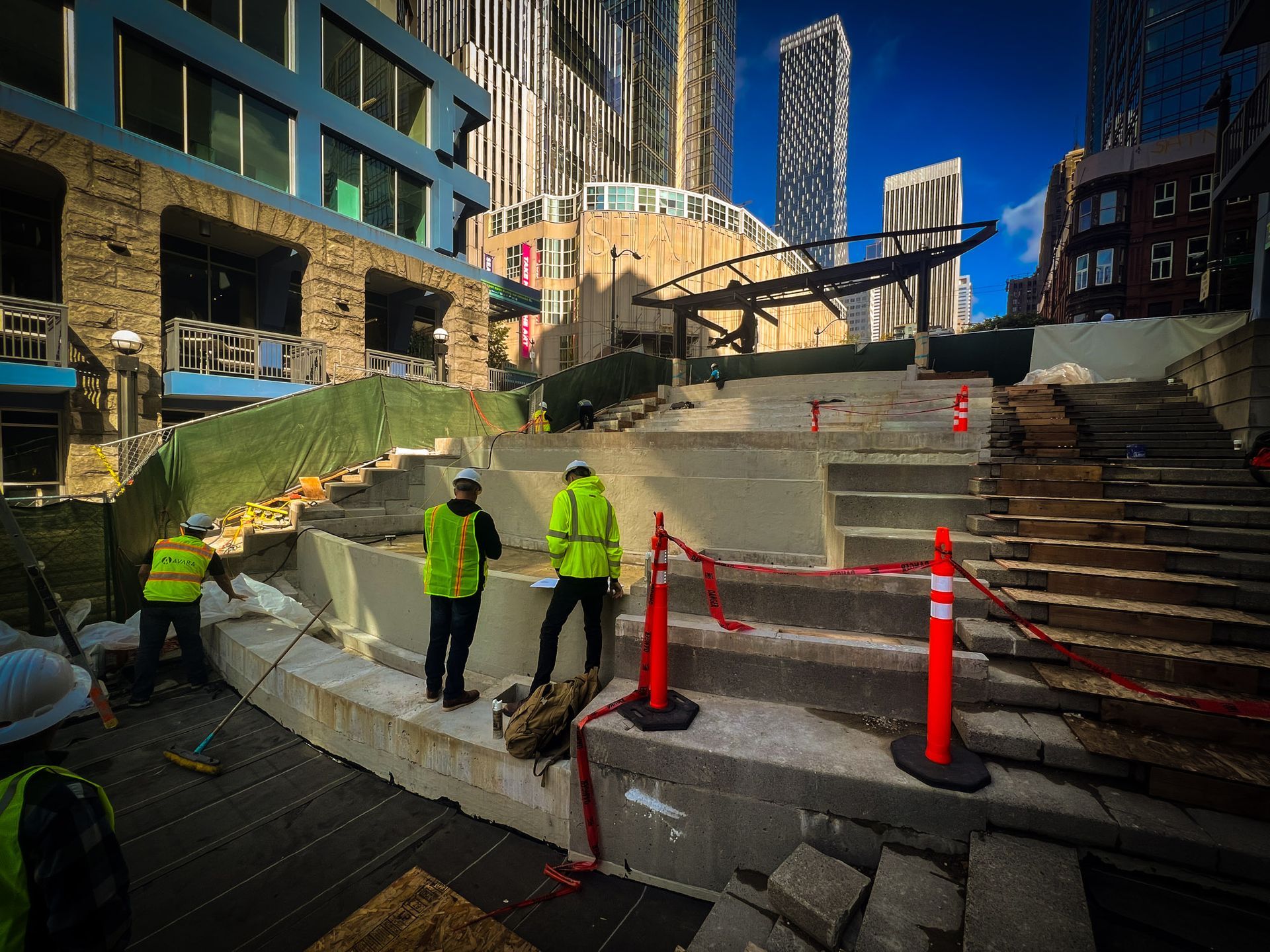
Harbor Steps Fountain - Seattle, WA
Harbor Steps Fountain - Seattle, WA
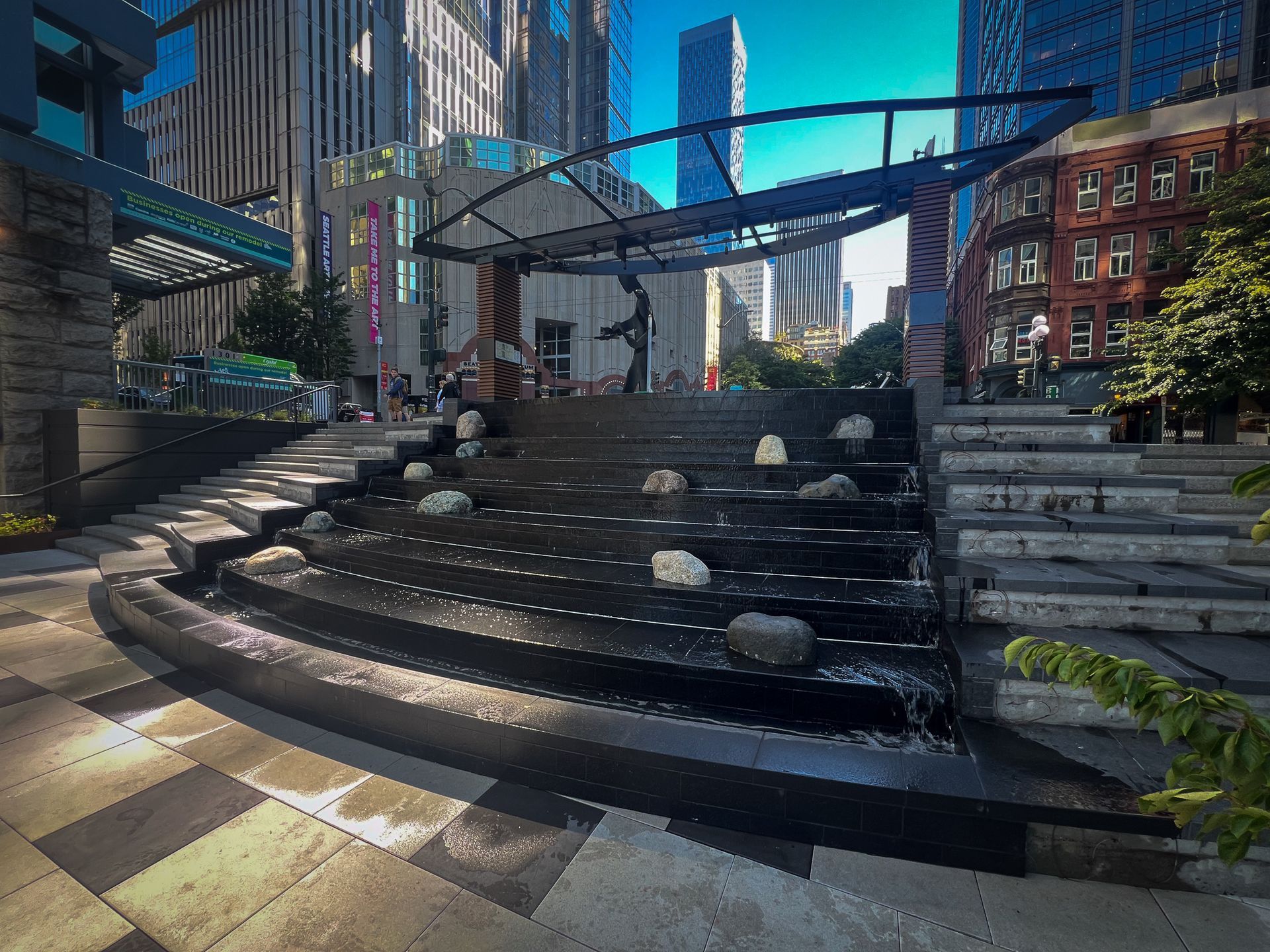
Bringing a Public Water Feature to a Dense Urban Corridor: Harbor Steps, Seattle, WA
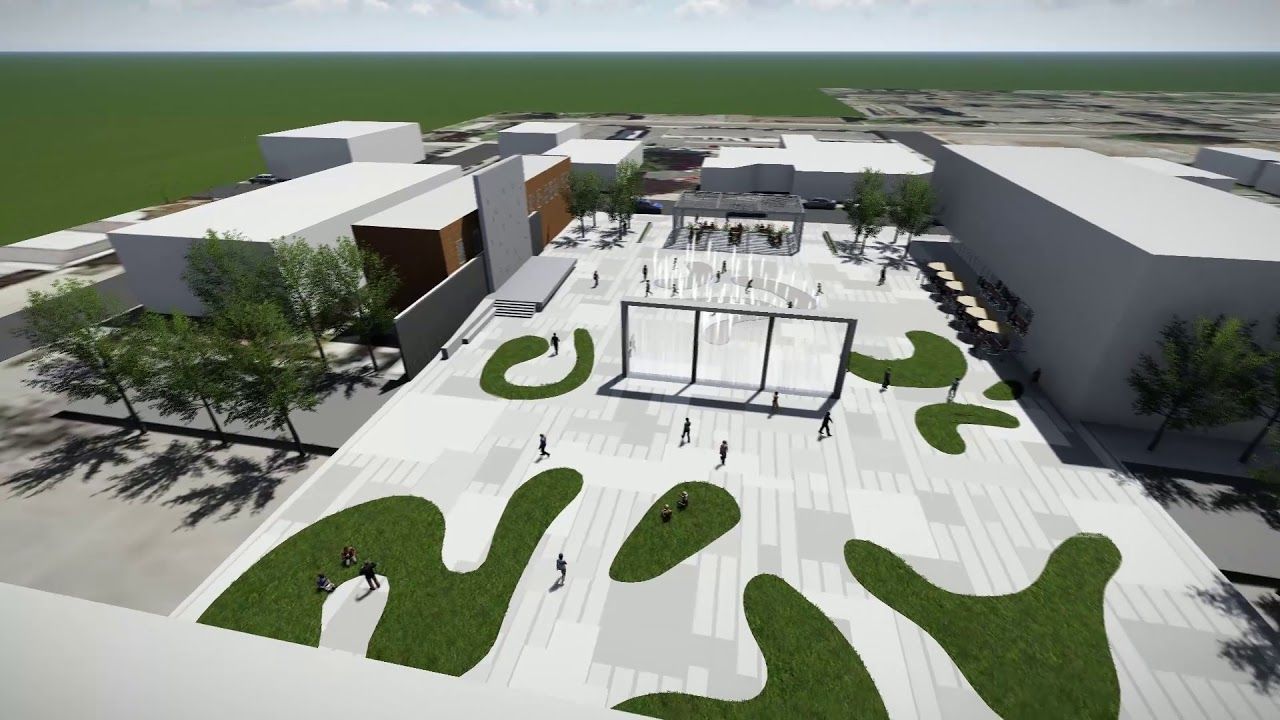
Located in downtown Seattle just uphill from the waterfront, Harbor Steps is a multi-level public corridor connecting First Avenue to Western Avenue and the Seattle Waterfront. The space functions as a heavily traveled pedestrian route linking offices, residences, retail, and public gathering areas in one of the city’s most active districts.
As part of improvements to the Harbor Steps plaza environment, a custom fountain system was constructed to introduce movement, sound, and visual interest within the stepped urban landscape—supporting daily foot traffic while reinforcing the site as a recognizable public gathering point.
Below, we break down the construction, installation, and long-term functionality behind this urban water feature and how it supports year-round public use in downtown Seattle.
Constructing a Water Feature for a Tiered Urban Plaza
Water features built into sloped, multi-level plazas require careful coordination with structural elements, drainage, and pedestrian circulation. At Harbor Steps, the fountain system was integrated into an existing public stair corridor designed to accommodate constant daily use.
The system was constructed to support:
- Continuous public exposure and heavy foot traffic
- Efficient water recirculation and filtration
- Durable materials suited for an urban environment
- Low-profile infrastructure within a tight footprint
The feature operates as a recirculating fountain system built for reliability and consistent performance in a highly visible downtown setting.
The Collector System Beneath the Plaza
At the core of the installation is an underground collector and filtration system that manages the full water cycle for the feature. Water is:
- Captured and stored
- Filtered and treated
- Recirculated through the display
- Returned to the system for continuous operation
All mechanical components are located below grade to maintain a clean public surface and allow the feature to function without disrupting pedestrian movement through the steps and plaza areas.
Equipment and Infrastructure Below the Surface
Like most modern architectural fountains, the Harbor Steps system relies on concealed mechanical infrastructure to operate reliably in a dense downtown environment.
Core components include:
- Circulation pumps and filtration equipment
- Automated chemical treatment systems
- LED lighting drivers and electrical systems
- Programmable controls and monitoring equipment
- Flow and level sensors
Housing this equipment in a dedicated vault allows operators to maintain and service the feature while keeping the visible plaza surface uninterrupted.
Automated Controls and Programmable Lighting
A centralized control system manages water flow, lighting, and scheduling for the Harbor Steps feature. This allows operators to:
- Adjust water patterns and flow rates
- Program lighting sequences
- Monitor performance remotely
- Coordinate operation with public activity schedules
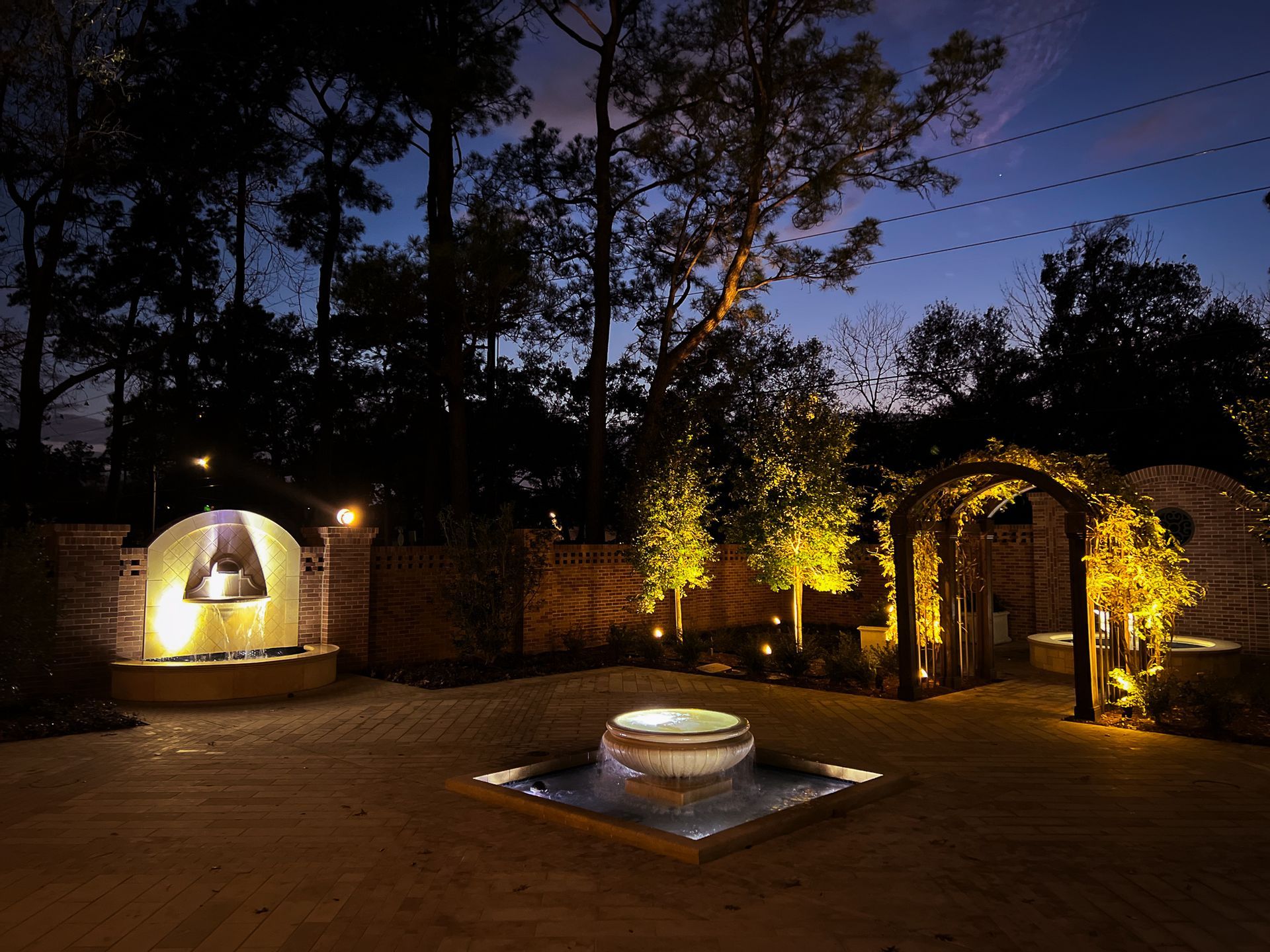
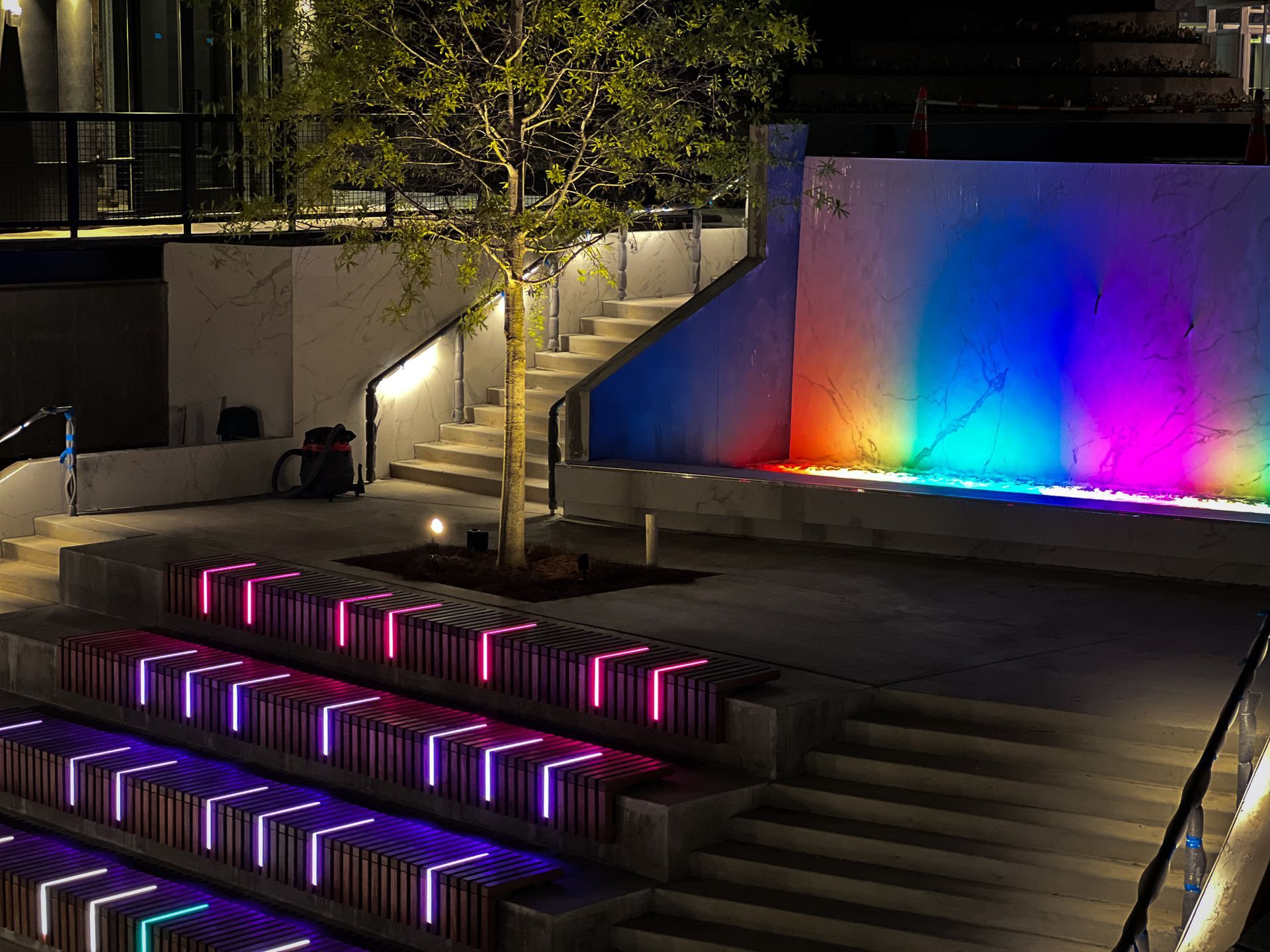
Programmable LED lighting adds flexibility, allowing the feature to shift visually for events, seasonal programming, or everyday evening activation within the plaza.
Construction Scope and Installation
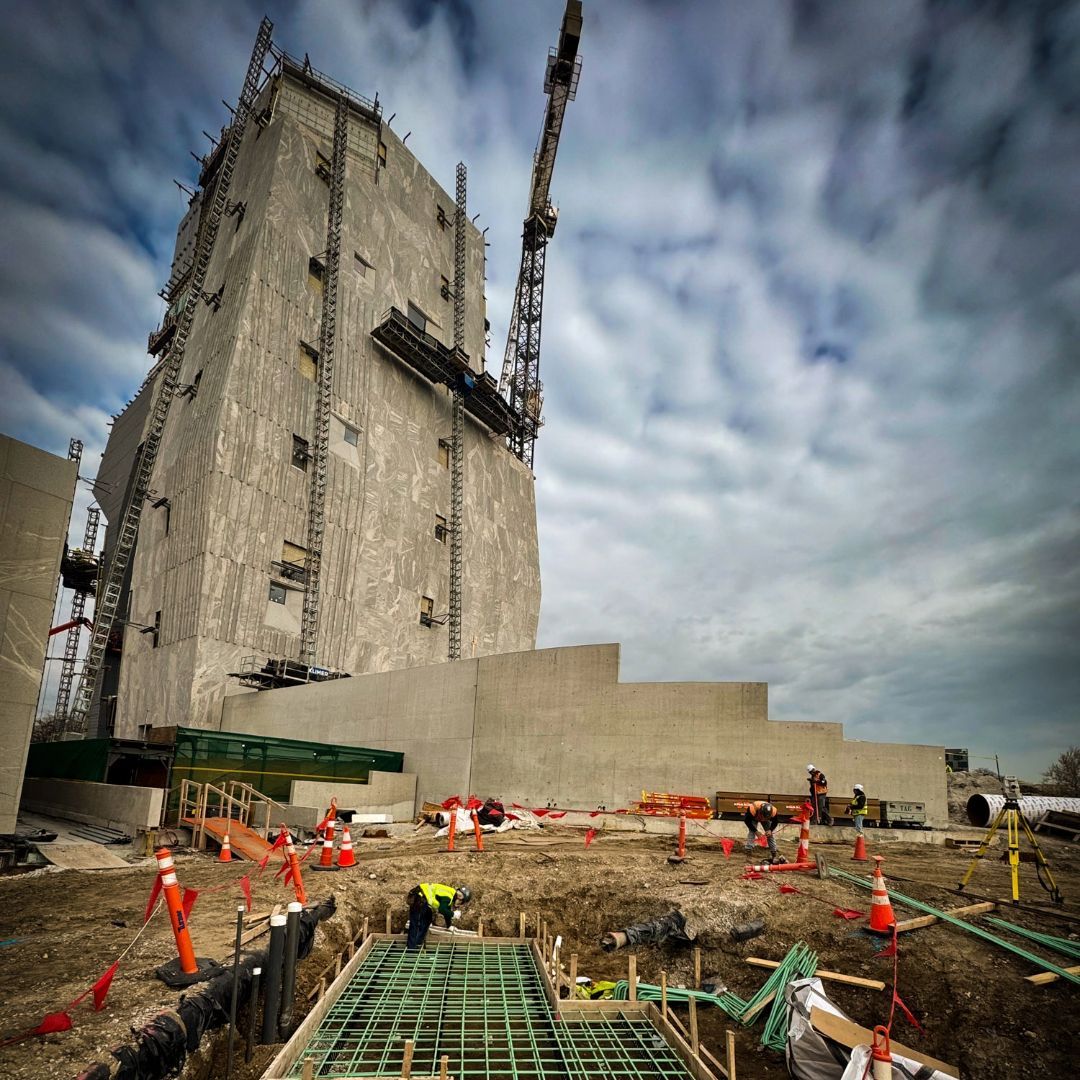
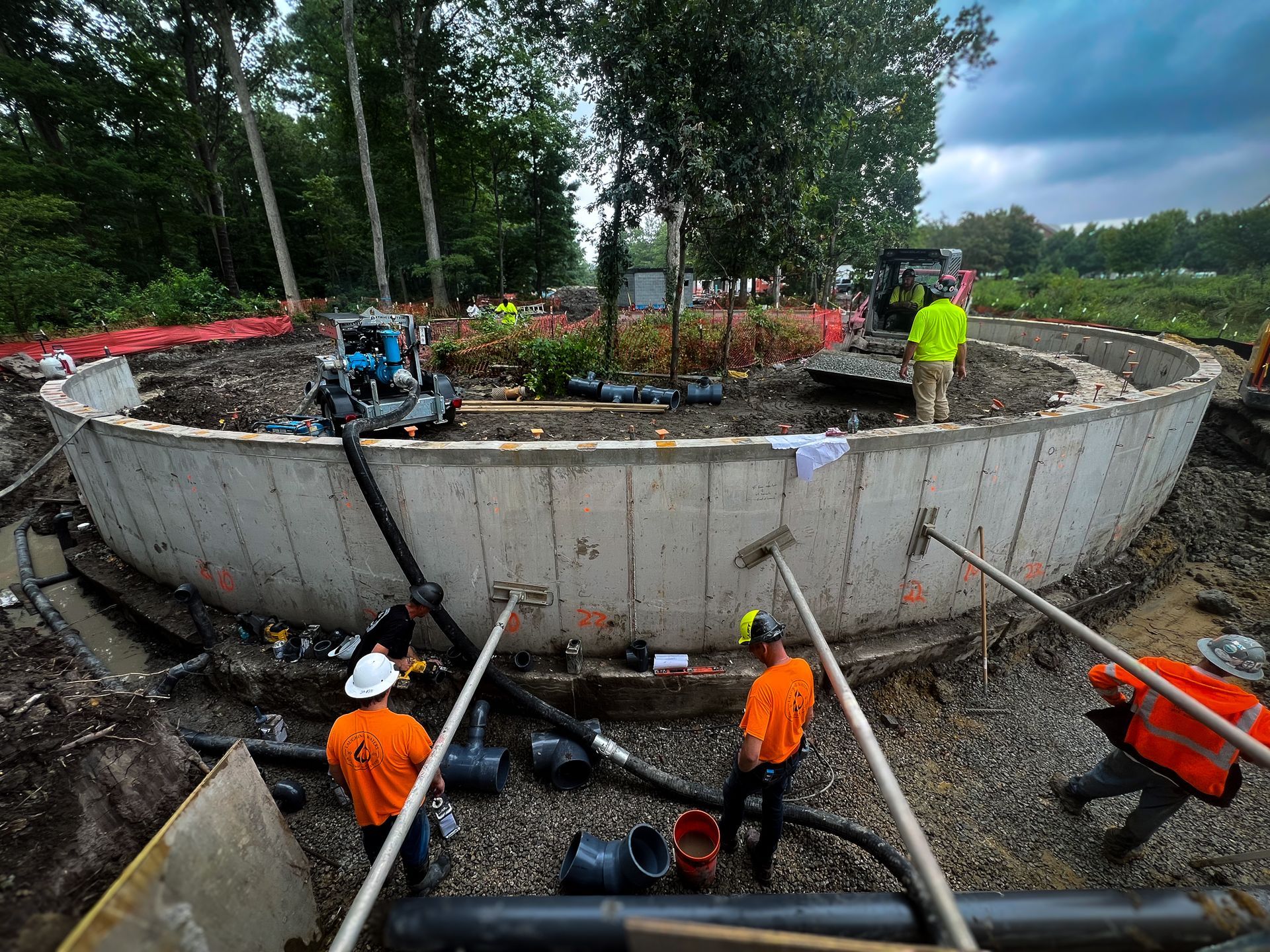
Construction included installation of all major fountain system components required for long-term public operation. Work included:
- Underground collector and vault systems
- Pumps, filtration, and treatment equipment
- Piping and spray elements
- Lighting systems
- Electrical and control infrastructure
Careful coordination with surrounding structures and utilities was required due to the feature’s location within an active downtown pedestrian corridor.
Programming, Testing, and Commissioning
Once installed, the system was calibrated to ensure consistent performance within the public environment. Commissioning included:
- Flow and pressure adjustments
- Lighting program setup
- Automation calibration
- Operational scheduling
- Final system testing
These steps ensured the feature could operate safely and reliably within a space used daily by residents, office workers, and visitors.
Supporting an Active Downtown Connection
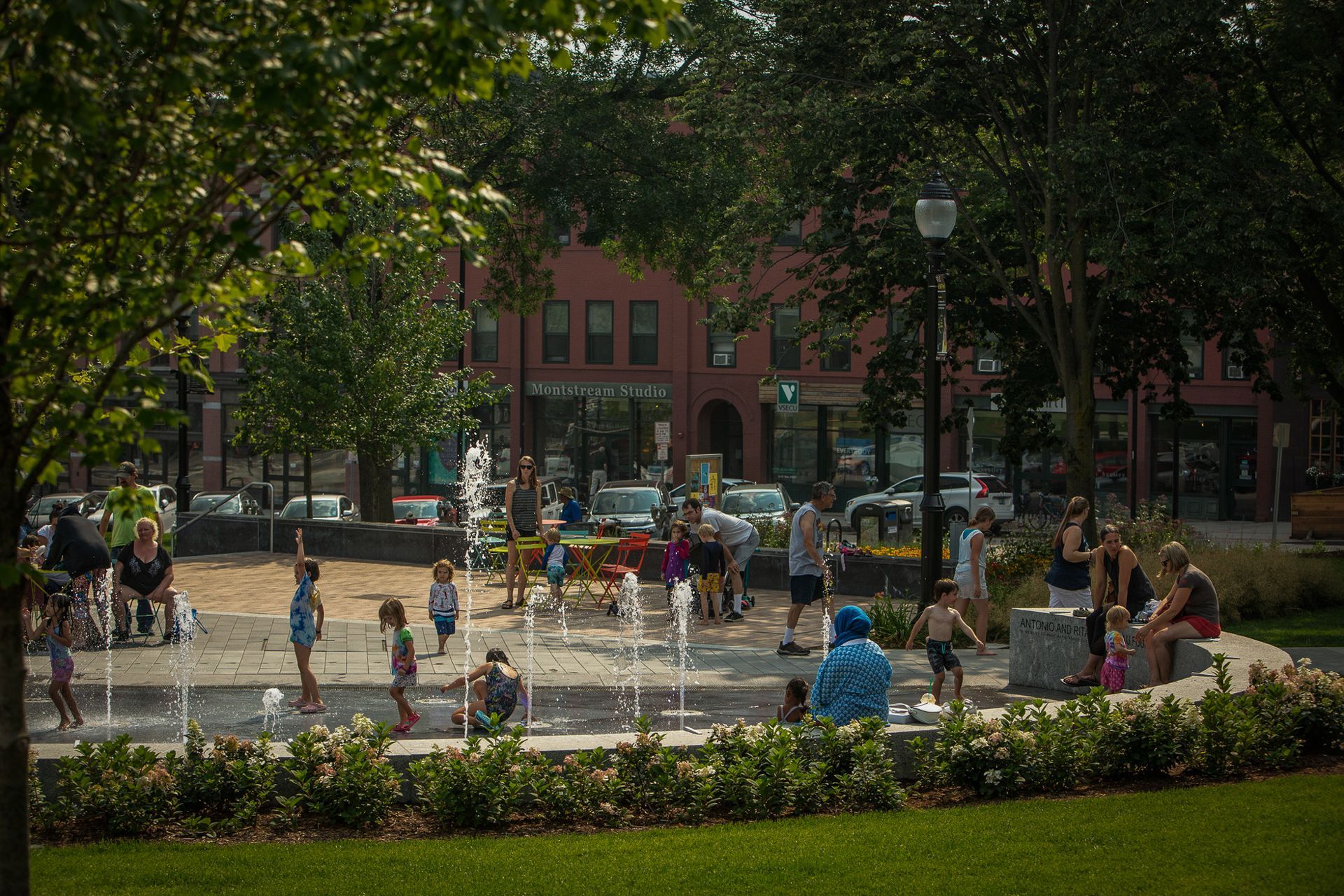
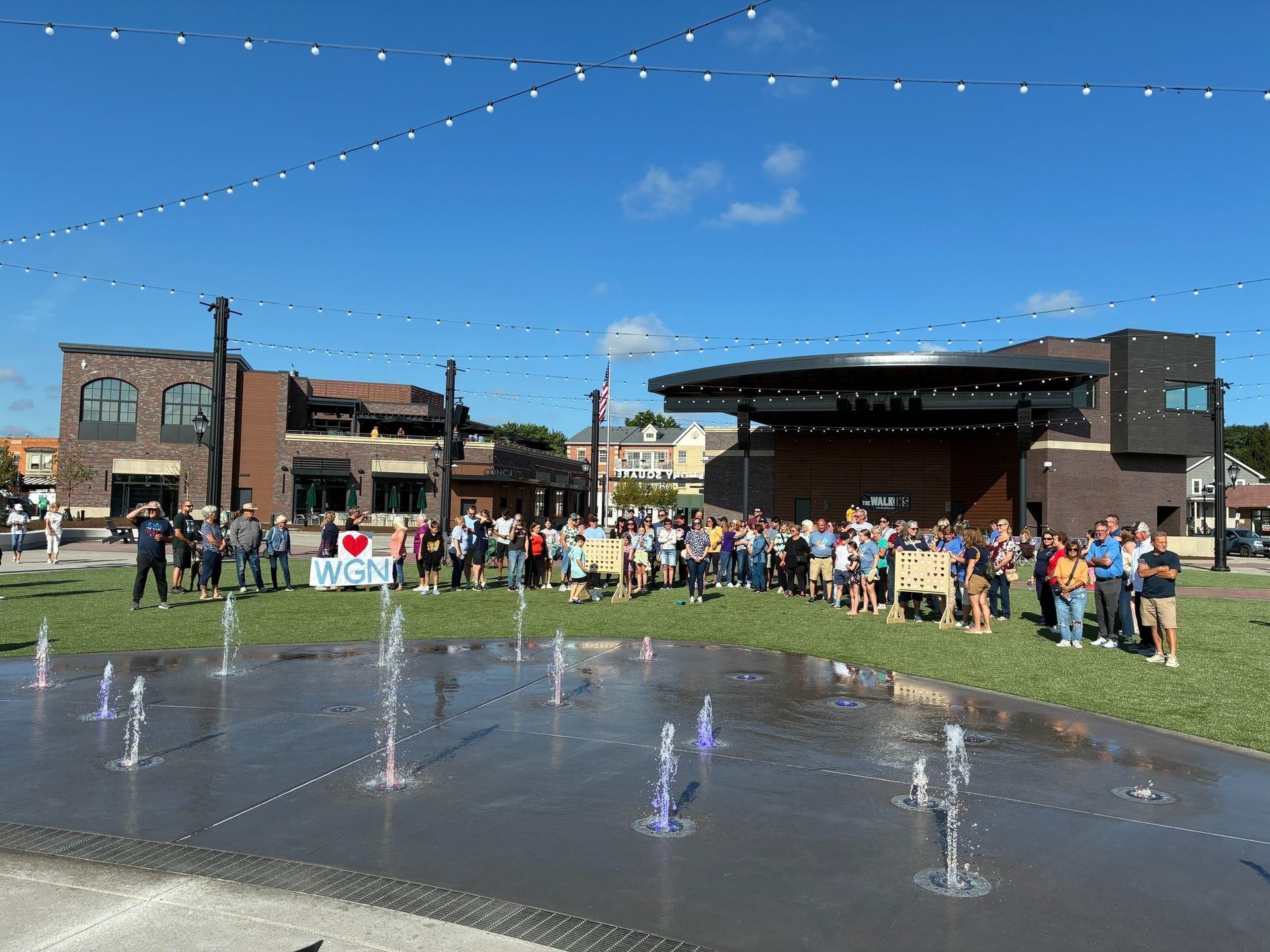
Harbor Steps serves as an important pedestrian link between Seattle’s downtown core and the waterfront. The addition of a functioning water feature contributes to the atmosphere of the space by adding sound, movement, and visual interest along a heavily traveled route.
The fountain helps:
- Activate a major pedestrian connection
- Enhance the public plaza experience
- Support gathering and pass-through use
- Reinforce the identity of the Harbor Steps corridor
Water features in dense urban settings like this play a role in shaping how people move through and experience public space.
Built for Long-Term Operation in a Public Setting
Public water features require ongoing service to maintain safe and reliable performance. Systems like Harbor Steps are built with accessibility and durability in mind, allowing for routine inspection, seasonal adjustments, and long-term maintenance.
With proper upkeep, features like this continue to support daily activity and provide visual and environmental benefits within busy urban districts.
Considering a Public Fountain or Plaza Feature?
Modern water features can enhance plazas, parks, mixed-use developments, and pedestrian corridors by introducing motion, sound, and identity to a space.
Projects like Harbor Steps demonstrate how constructed fountain systems can be integrated into dense urban environments while supporting everyday public use and long-term performance.
SHARE THIS