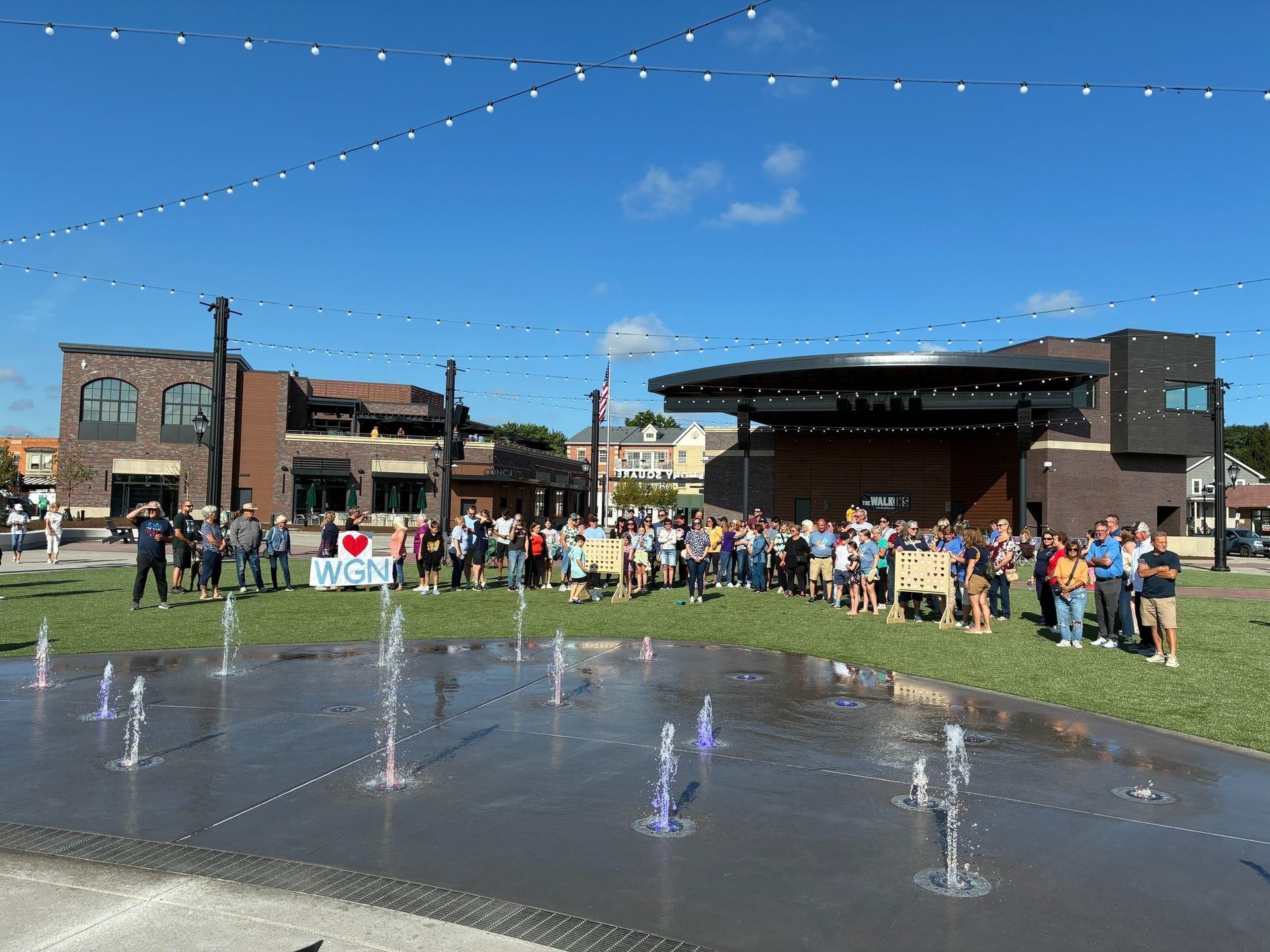
Rodney Square Fountain - Wilmington, DE
Rodney Square Fountain - Wilmington, DE
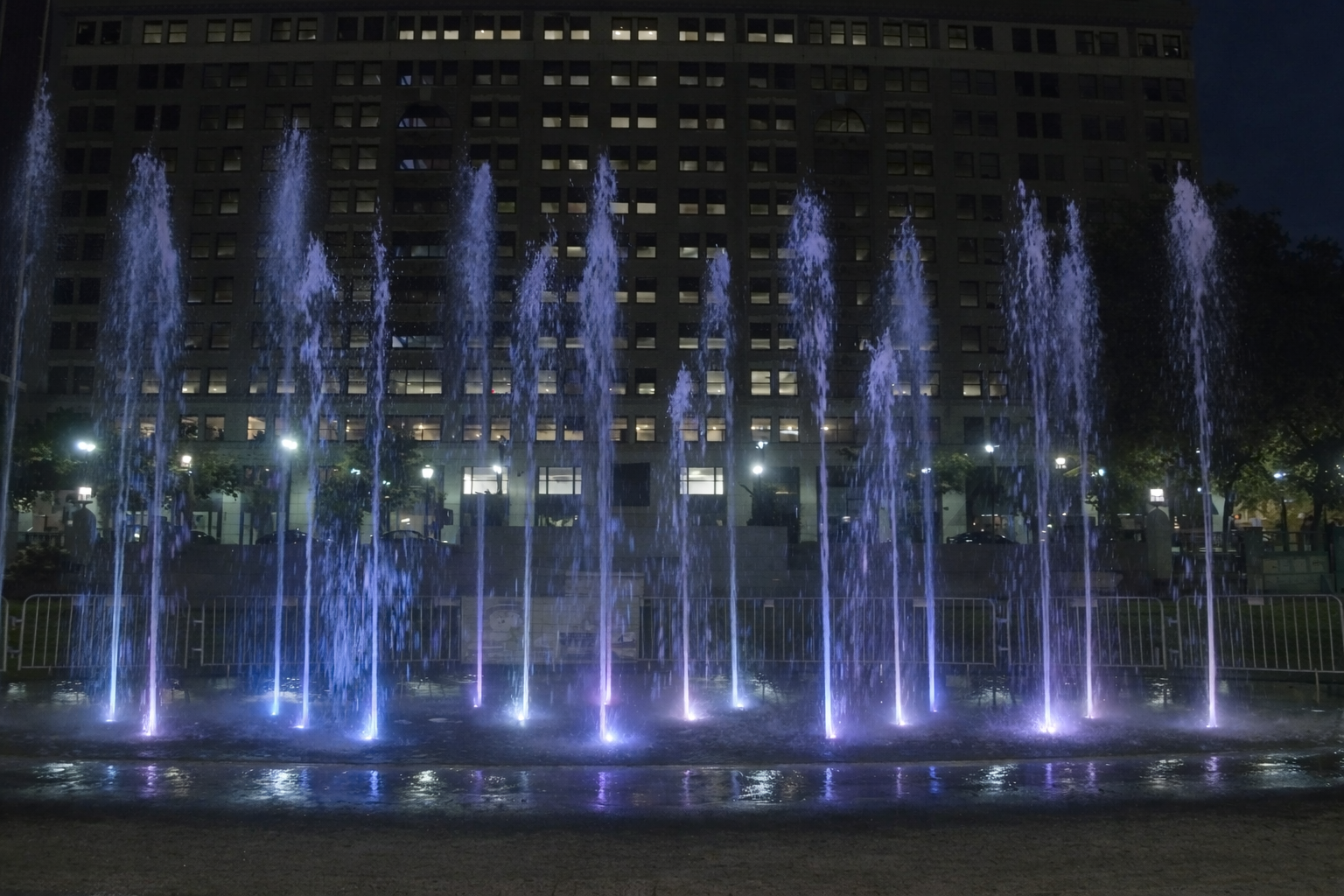
How a Modern Public Fountain Supports a Historic Downtown: Inside the Rodney Square Water Feature
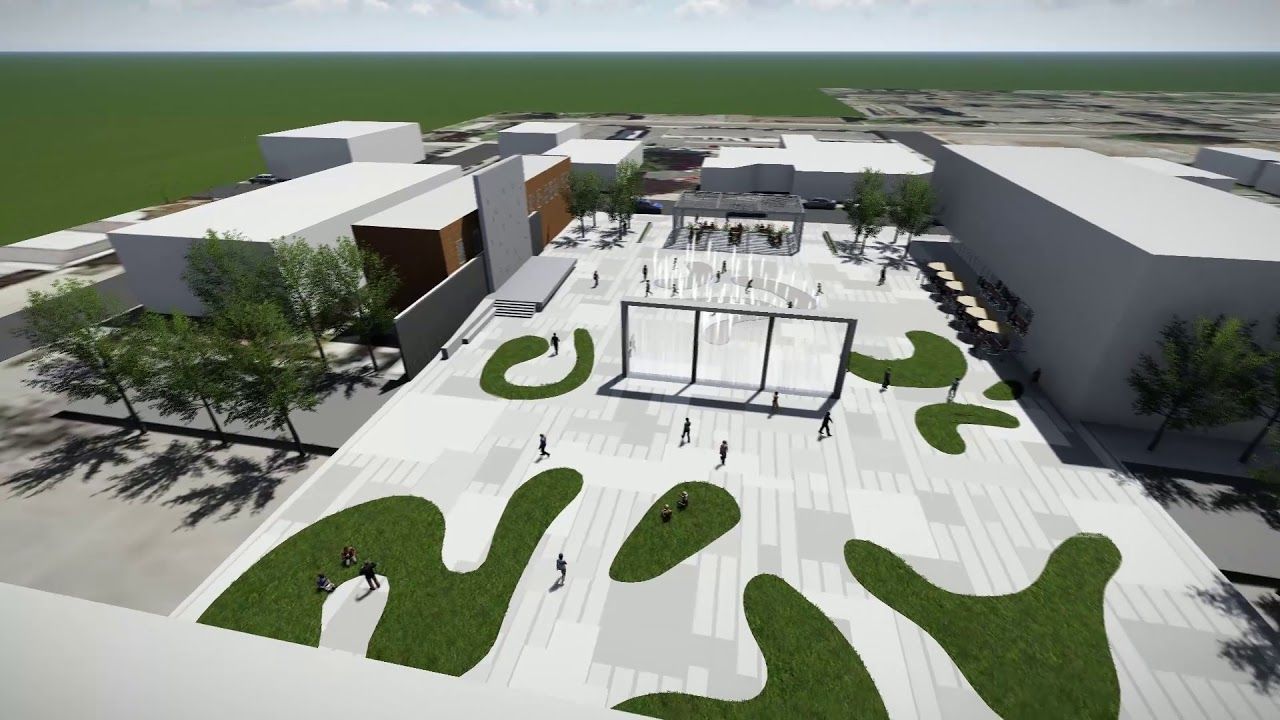
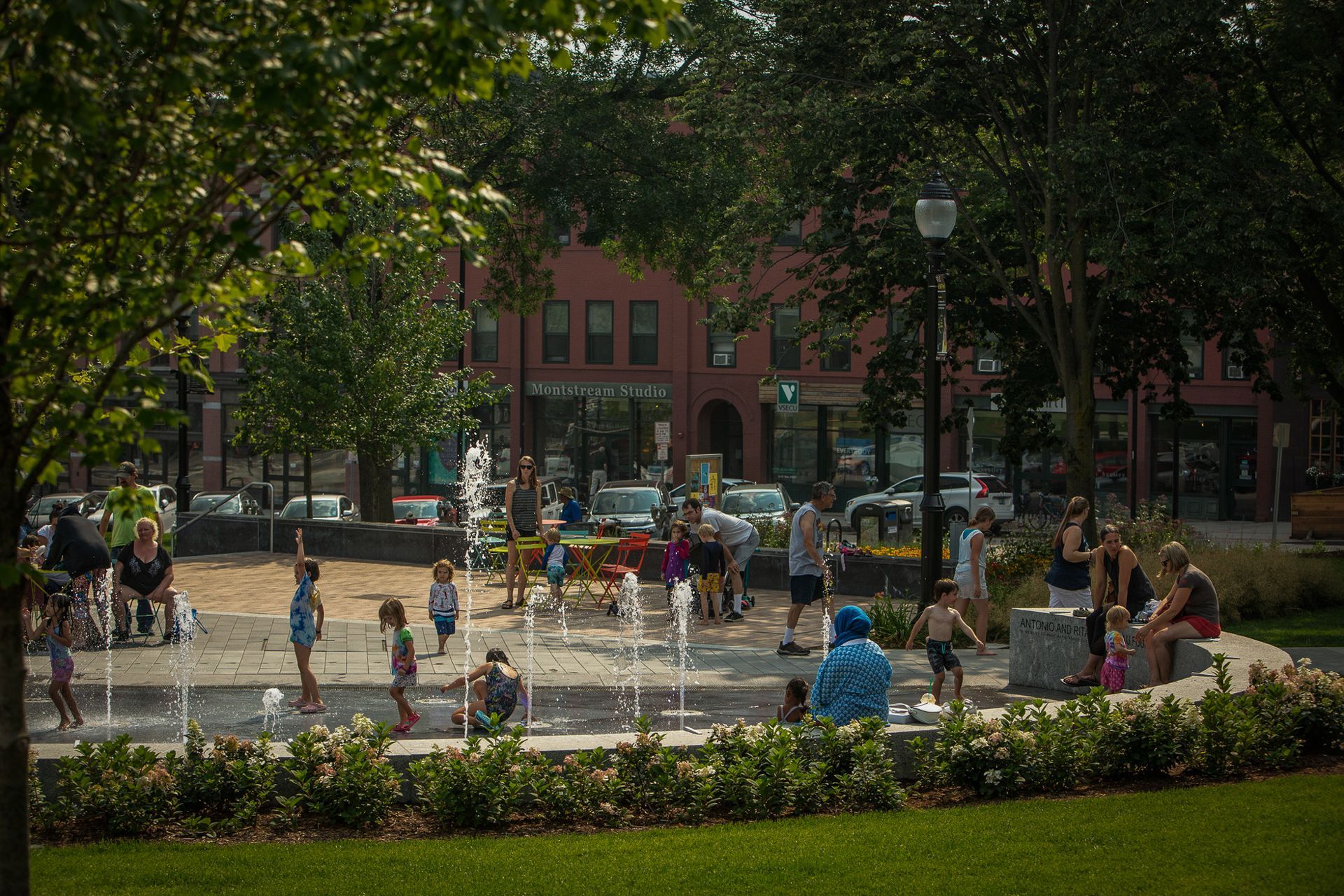
Rodney Square in Wilmington, Delaware serves as the civic heart of the city’s downtown, surrounded by historic buildings, transit connections, and daily pedestrian activity. As part of a multi-phase renovation completed in 2021, the central plaza was upgraded to better support events, gatherings, and everyday use.
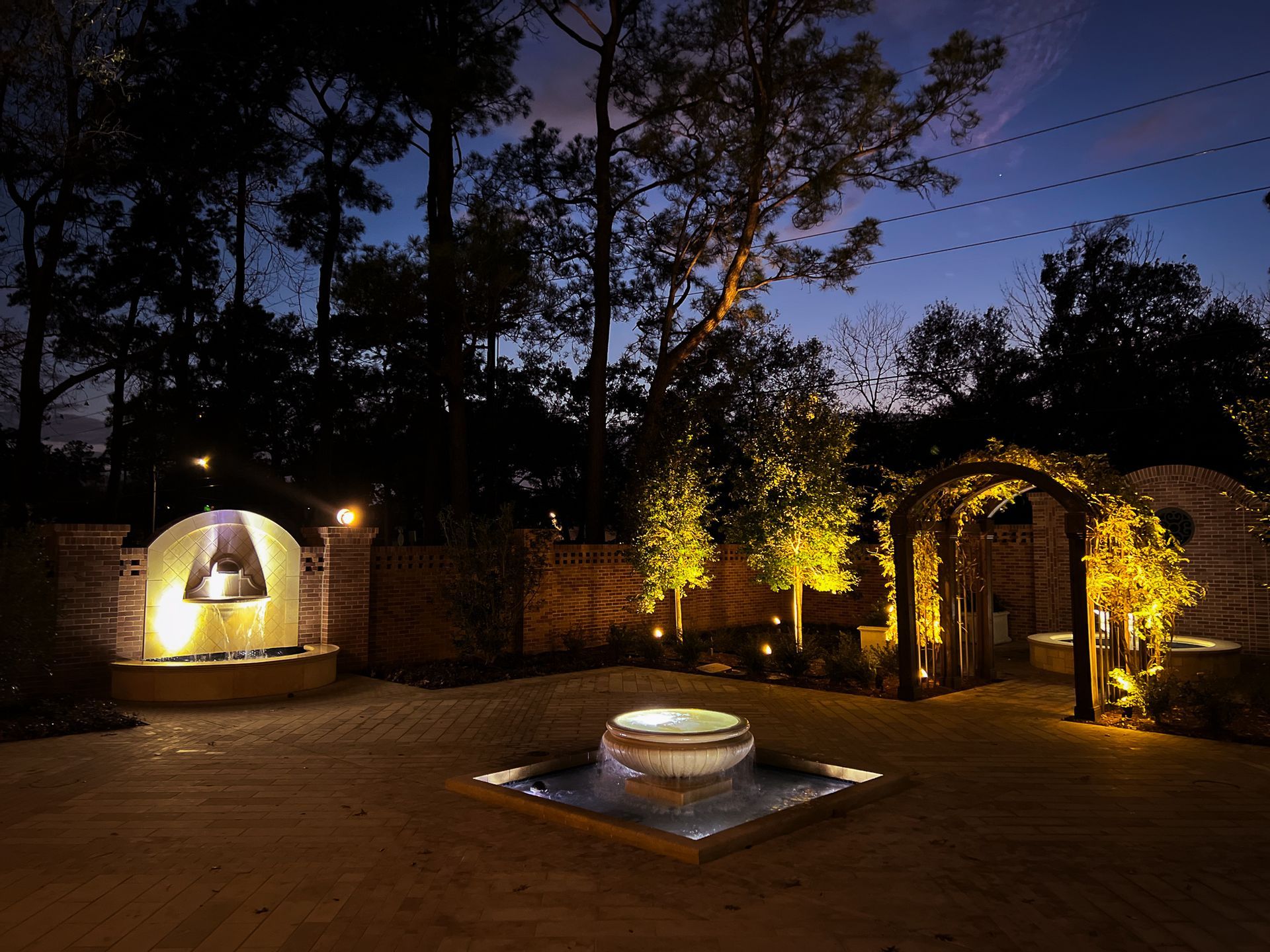
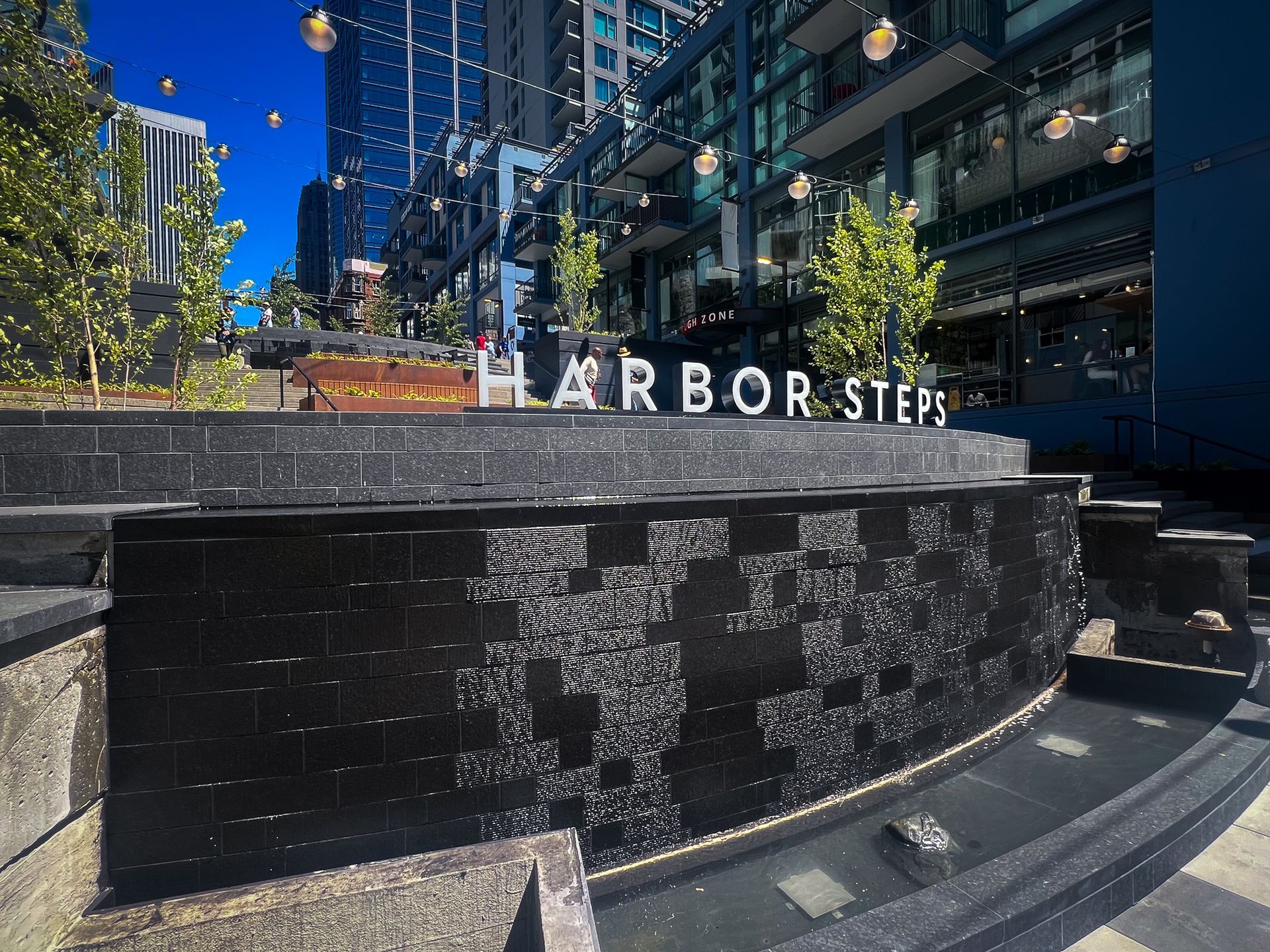
At the center of the revitalized square is a custom public fountain system built for reliability, visibility, and year-round operation within a heavily used civic space. The water feature functions as both a visual landmark and an activation point for community programming throughout the plaza.
Understanding the Infrastructure Behind a High-Use Public Fountain
Modern civic fountains must perform consistently in environments with constant foot traffic, public events, and seasonal programming. The Rodney Square fountain operates as a recirculating public water feature designed for:
- Continuous public use
- Efficient water management
- Safe, treated water systems
- Low-visibility mechanical infrastructure
All core equipment is integrated below grade, allowing the plaza to remain fully open and accessible while the system operates behind the scenes.
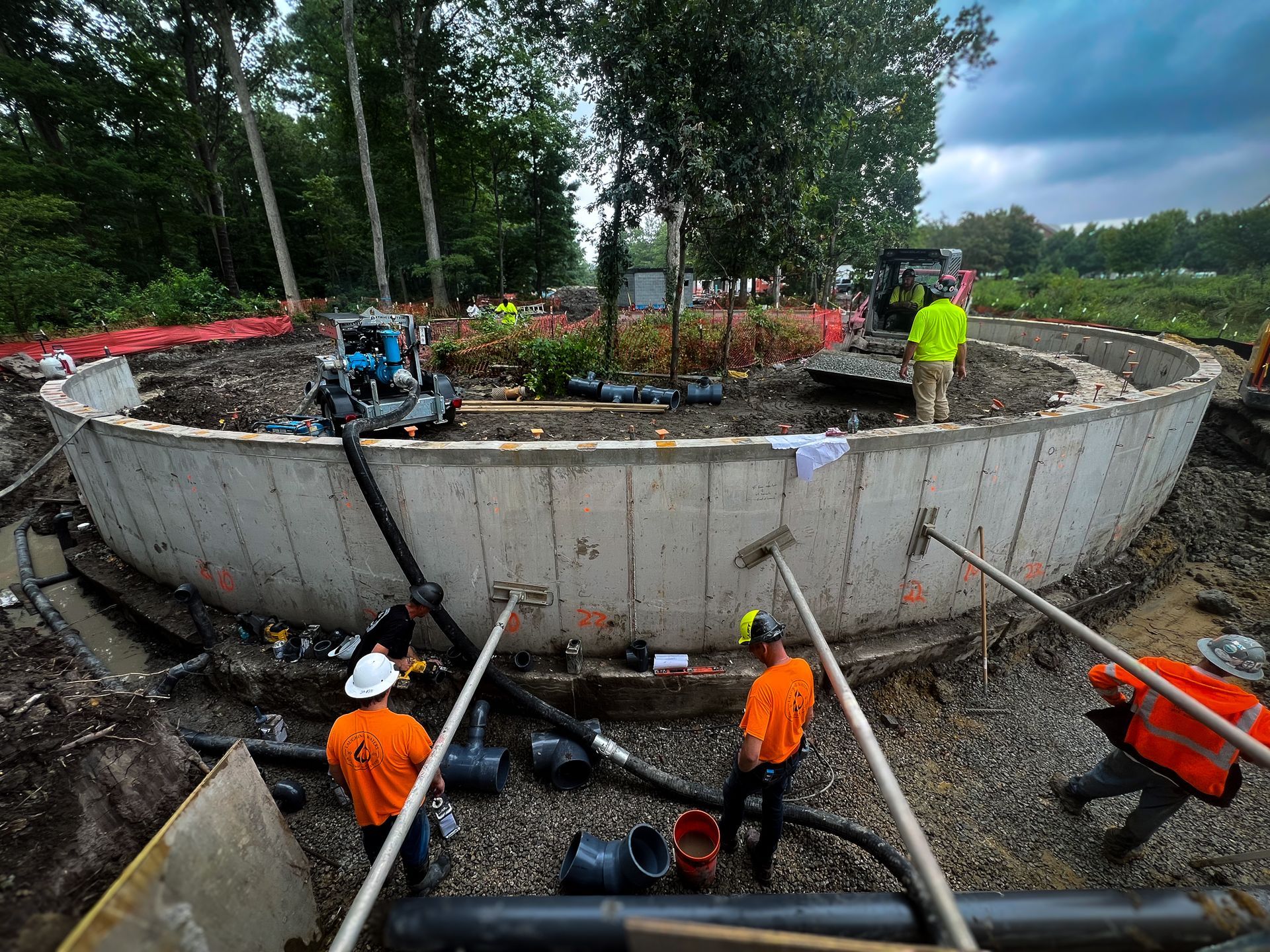
The Collector Tank: Core System Infrastructure
At the center of the system is an underground collector tank where all water is:
- Stored
- Filtered
- Treated
- Recirculated
This concealed infrastructure allows the fountain to function similarly to a commercial aquatic system while maintaining an open, pedestrian-friendly plaza surface above.
Inside the Fountain Vault: Technology Below the Plaza
The Rodney Square fountain relies on a dedicated underground vault housing the mechanical and electrical systems required for consistent operation in a high-visibility downtown setting.
Mechanical Components Include:
- High-efficiency circulation pumps
- Filtration and sanitation systems
- Automated chemical controls
- LED lighting drivers and transformers
- Electrical communication systems
- Pressure and level monitoring equipment
Smart Automation and Operational Control
A centralized control interface manages the fountain’s daily operation, including:
- Water chemistry monitoring
- Pump sequencing
- Flow and pressure control
- Lighting programs
- Operational scheduling
This automation allows operators to adjust performance and lighting scenes while maintaining consistent operation during daily use and public events.
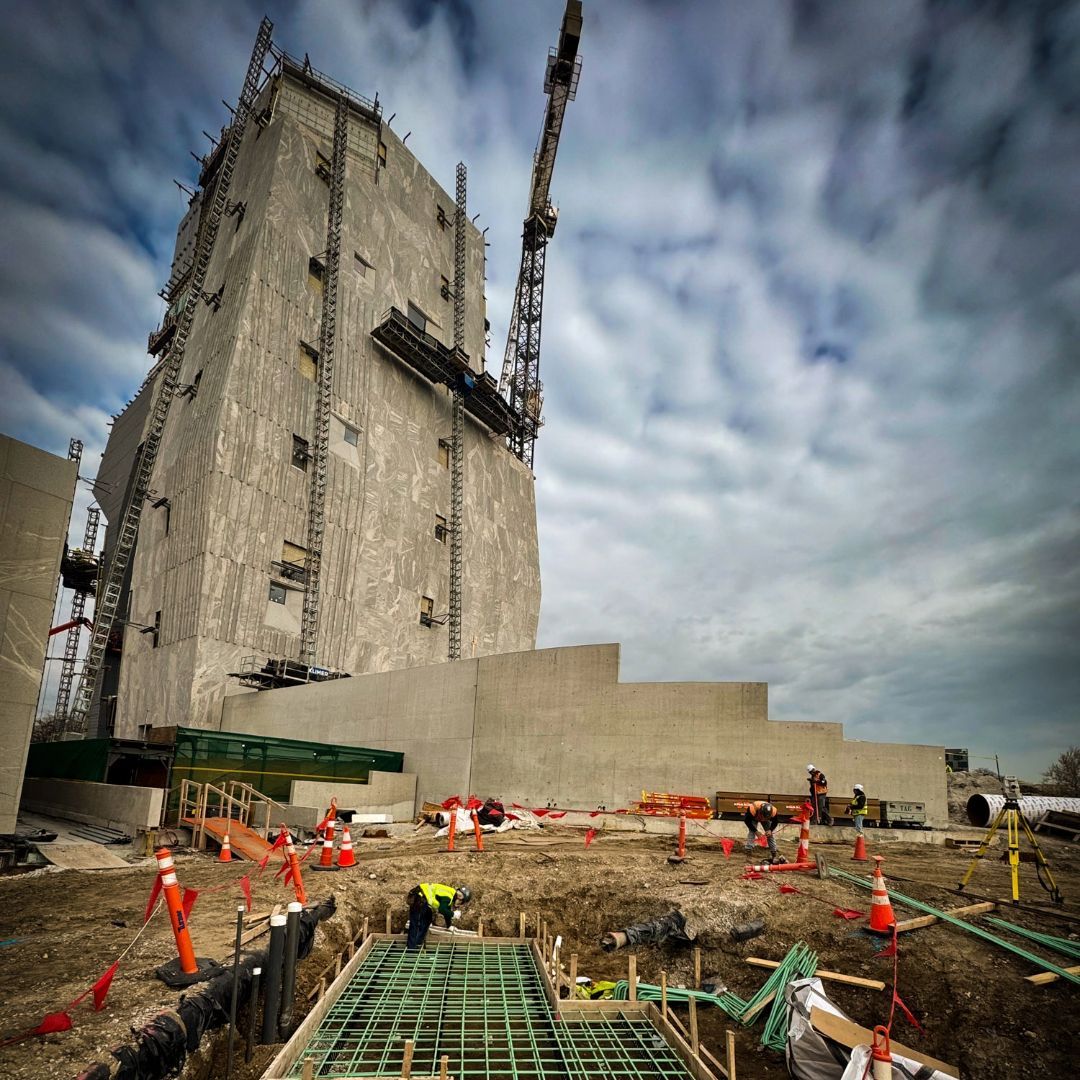
Construction Scope and Installation
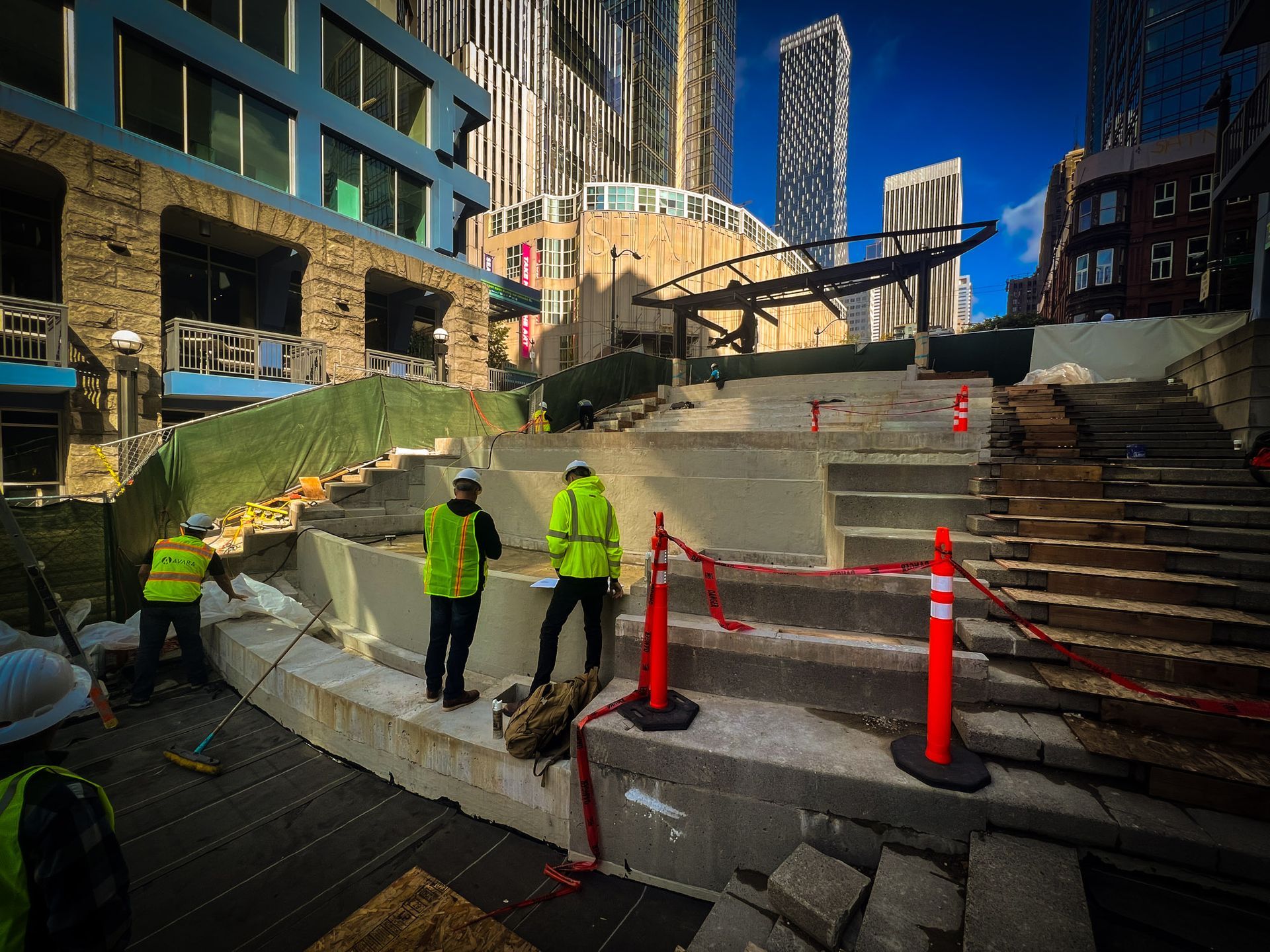
As part of the Rodney Square renovation, the fountain system was constructed to integrate seamlessly within an active downtown plaza environment. Installation included:
- Underground collector tank and vault systems
- Pumping, filtration, and dosing equipment
- Spray elements and water effects
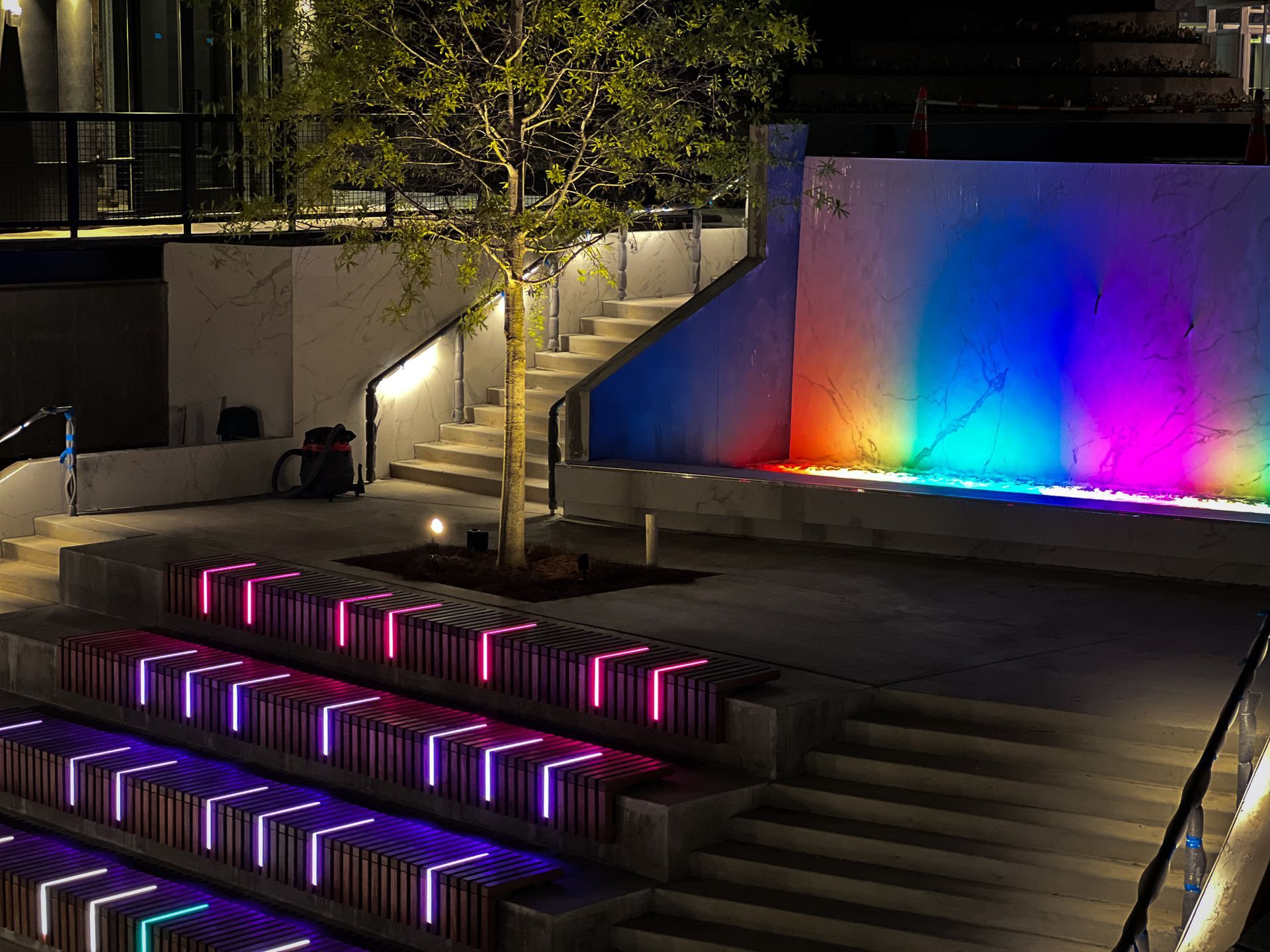
- Programmable LED lighting
- Electrical and control infrastructure
All components were coordinated within a phased renovation schedule to align with the broader plaza reconstruction.
Programming and Commissioning
System commissioning included calibration of:
- Water sequencing and spray performance
- Pressure and flow rates
- Lighting programs
- Chemical automation
- Public operation schedules
The system was tested to ensure reliable performance during daily use as well as city events and seasonal programming.
Long-Term Operation Within a Civic Plaza
Today, the Rodney Square fountain functions as a central gathering element within Wilmington’s primary public square. The feature supports:
- Daily pedestrian activity
- Public events and performances
- Seasonal programming
- Downtown activation
By combining concealed infrastructure with visible water movement and lighting, the fountain contributes to the continued use and revitalization of Rodney Square as a civic destination.
Supporting Active Public Spaces Through Water Features
Public fountains play a key role in activating plazas, drawing people into shared spaces, and supporting community programming. The Rodney Square water feature demonstrates how constructed systems can operate reliably within a historic, high-traffic downtown environment while enhancing the experience of the space.
SHARE THIS