Life by the Water's Edge

January 26, 2022

The Masters of The Future Are Inspired by The Work of Masters from The Past.

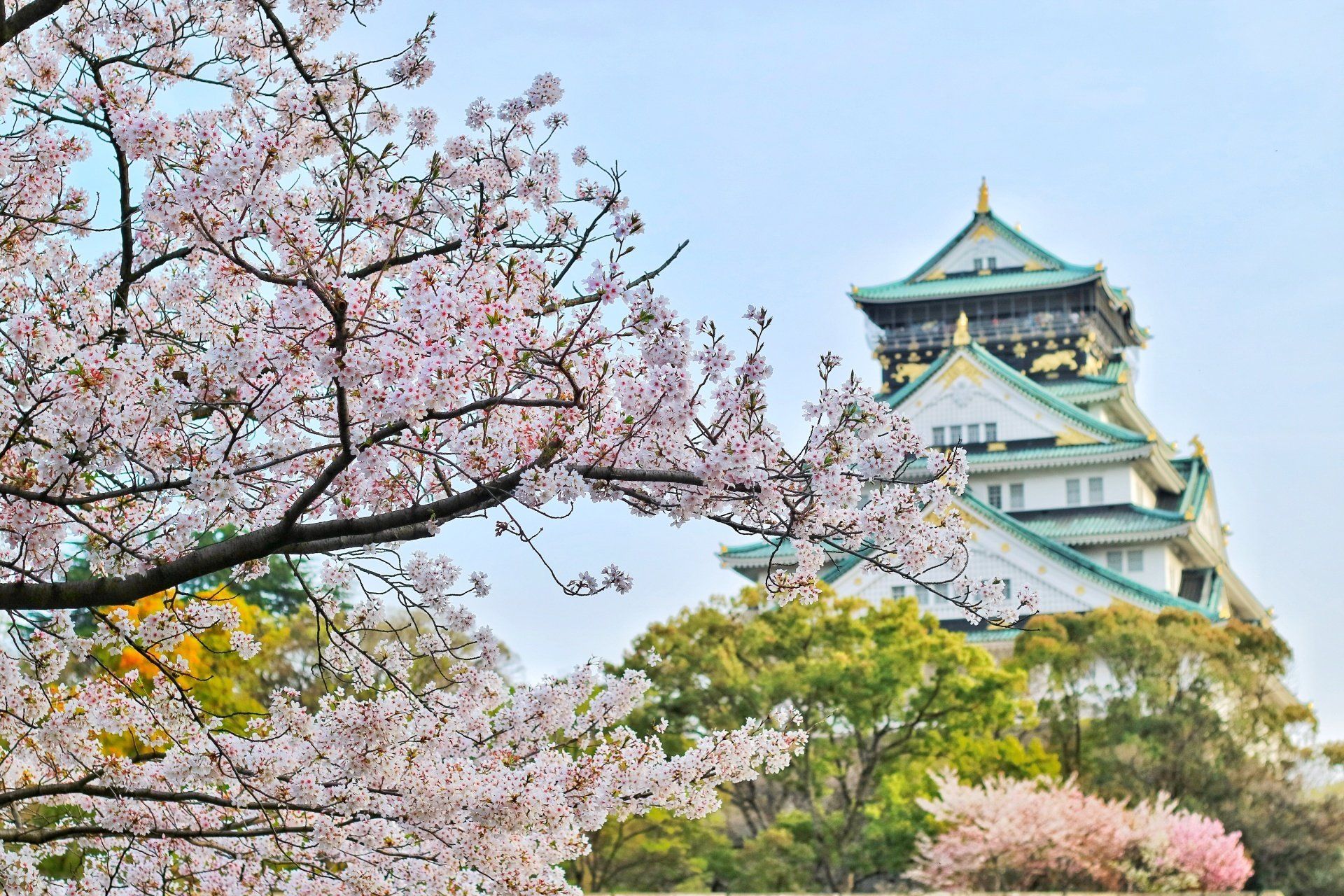
It’s no question that one could find tranquility in the confines of this sprawling Japanese Zen temple. Located in the rural and scenic outskirts of Kyoto Japan, Tenryu-ji Temple has one of the finest gardens in the Arashiyama district with breath taking mountain views and borrowed scenery.


Tenryu-ji was constructed in the 1345 and still holds most of its original elements from over 650 years ago. This UNESCO World Heritage site is often one of the first stops for any Green Thumb exploring the region.
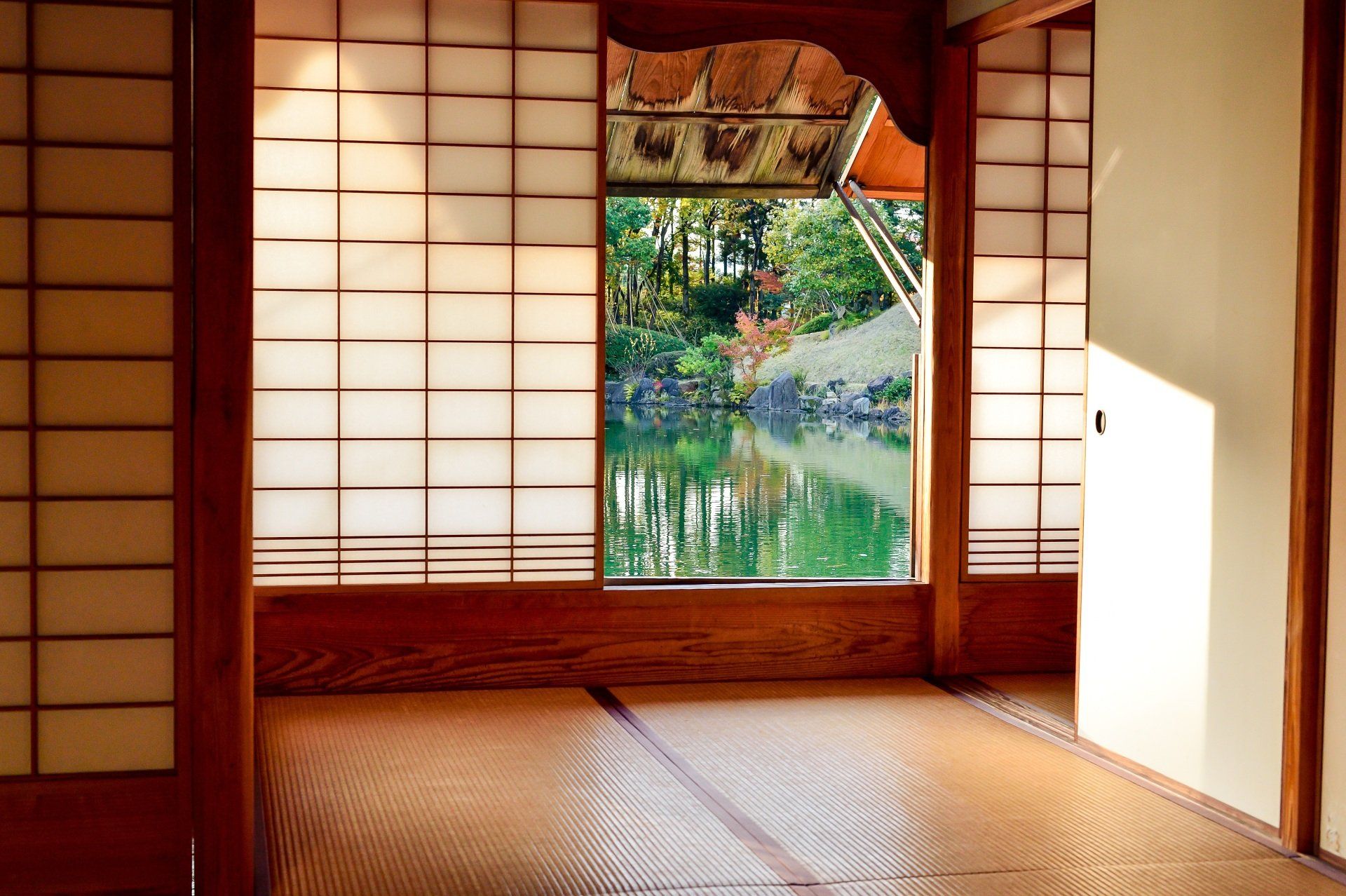
The temple’s main hall allows incredible views of the garden and accompanying ponds. Using Shakkei, the technique of incorporating background landscape into the composition of a garden, the temple’s scenery allows the Arashiyama Mountains to feel like the gardens were placed there naturally. A group of large stones positioned on the western shore of The Sogenchi Pond suggests a mountainous island, mimicking the range surrounding the water feature while reflecting the Pine and Maple trees to the east. In a place with such a meditative atmosphere, you don’t have to be a Zen monk to reach spiritual enlightenment.
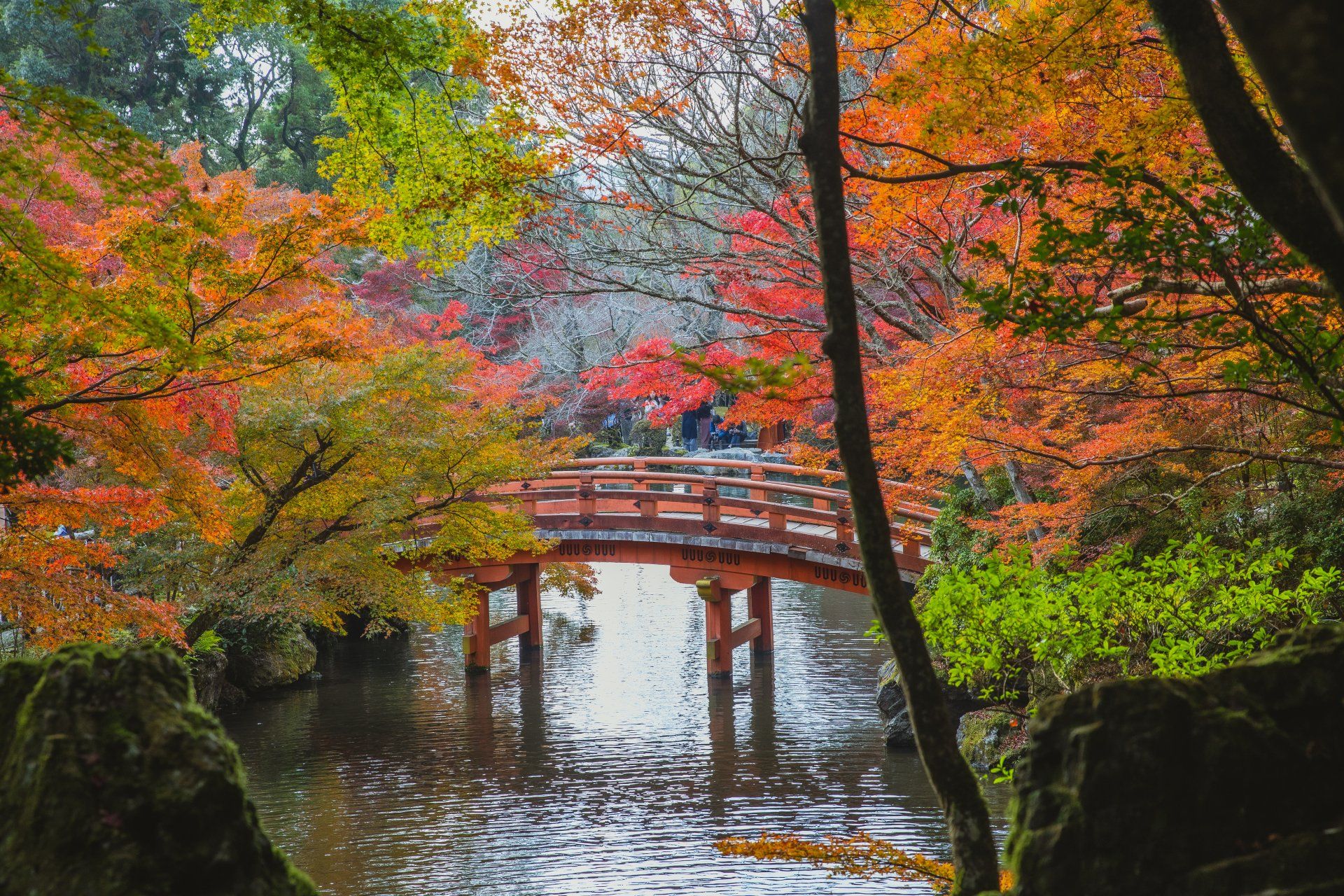
The temple’s main hall allows incredible views of the garden and accompanying ponds. Using Shakkei, the technique of incorporating background landscape into the composition of a garden, the temple’s scenery allows the Arashiyama Mountains to feel like the gardens were placed there naturally. A group of large stones positioned on the western shore of The Sogenchi Pond suggests a mountainous island, mimicking the range surrounding the water feature while reflecting the Pine and Maple trees to the east. In a place with such a meditative atmosphere, you don’t have to be a Zen monk to reach spiritual enlightenment.
Inspired by the natural forms of Tenryu-ji’s works, Laughing Waters encourages our fellow landscape community to incorporate authentic natural aquatic environments into future landscape projects. Every Project should have a goal to create a harmonious aquatic environment that seamlessly integrates with its surroundings that will one day inspire a new generation of water feature designers and builders.
SHARE THIS
February 10, 2026
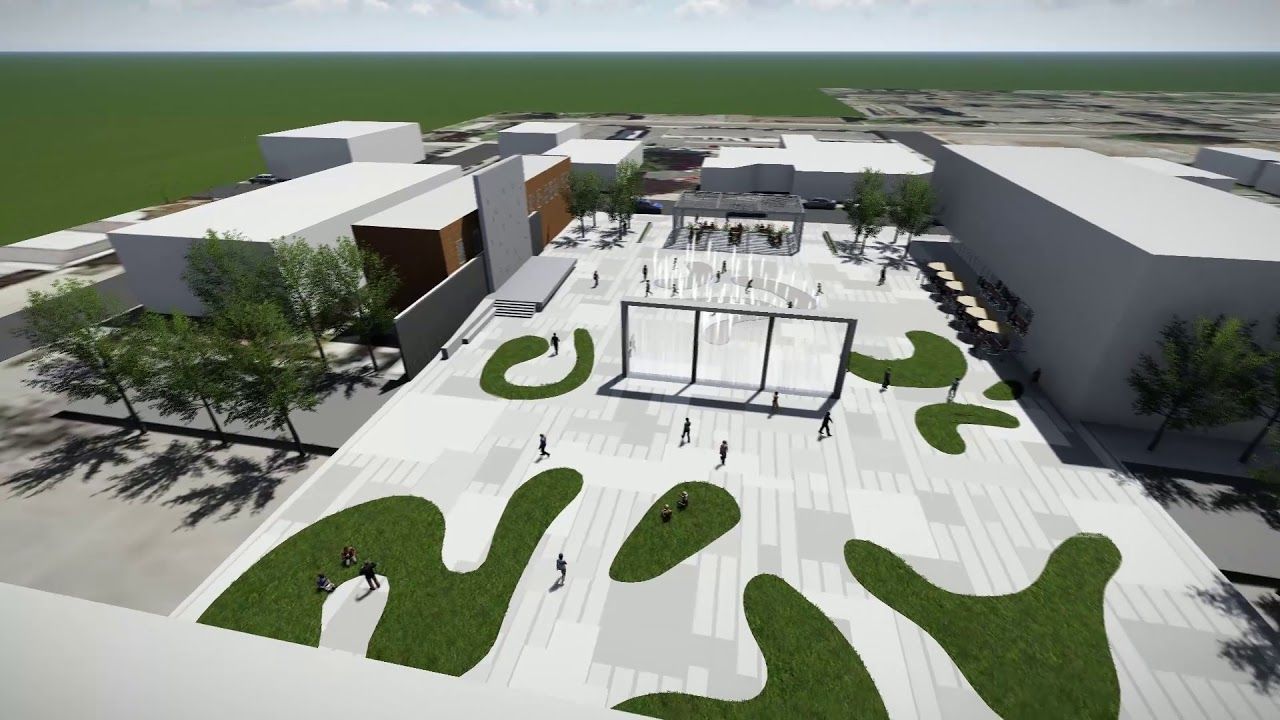
Argenta Plaza Fountain - Little Rock, AR
February 10, 2026
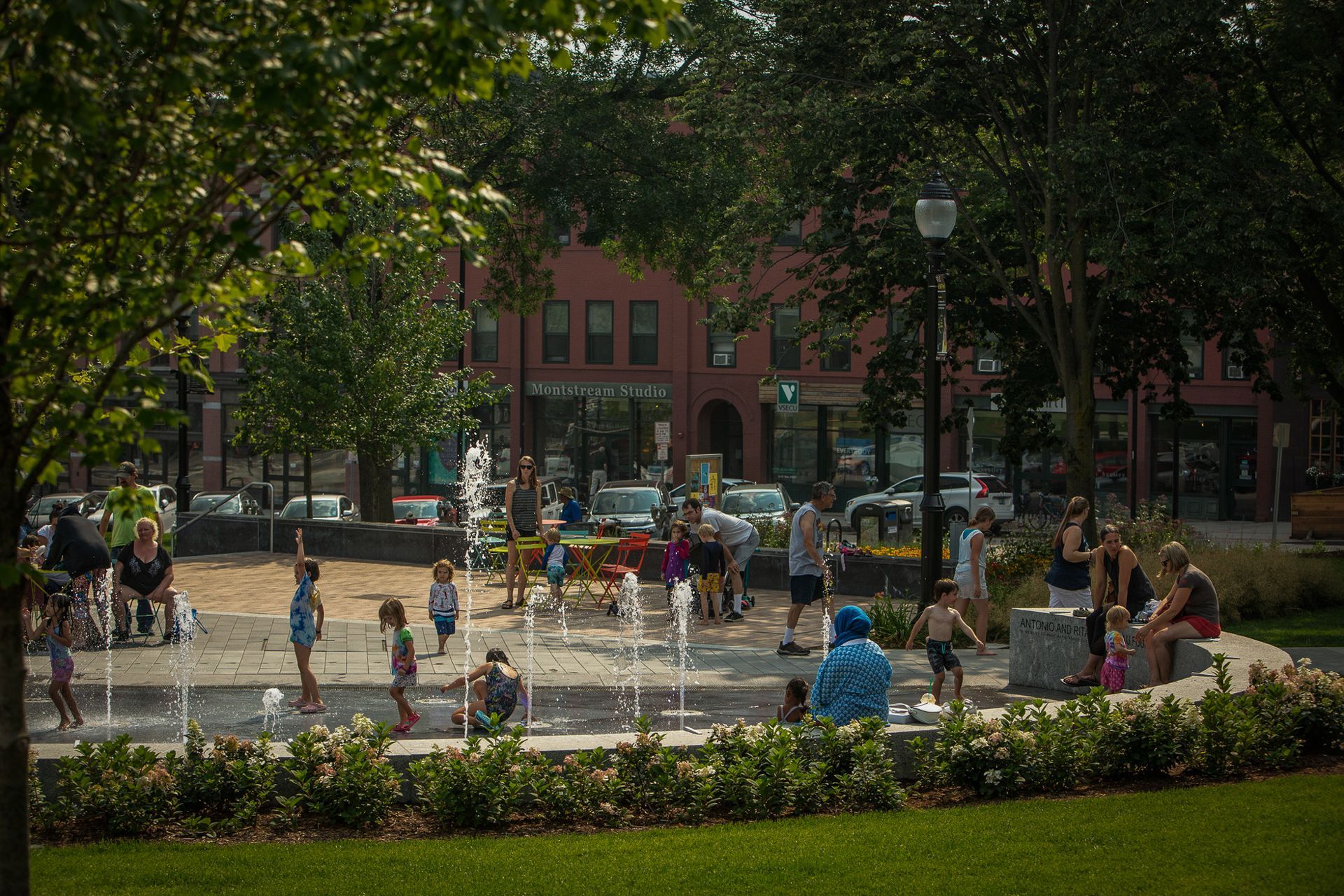
City Hall Park - Burlington, VT
By David Hanley February 10, 2026
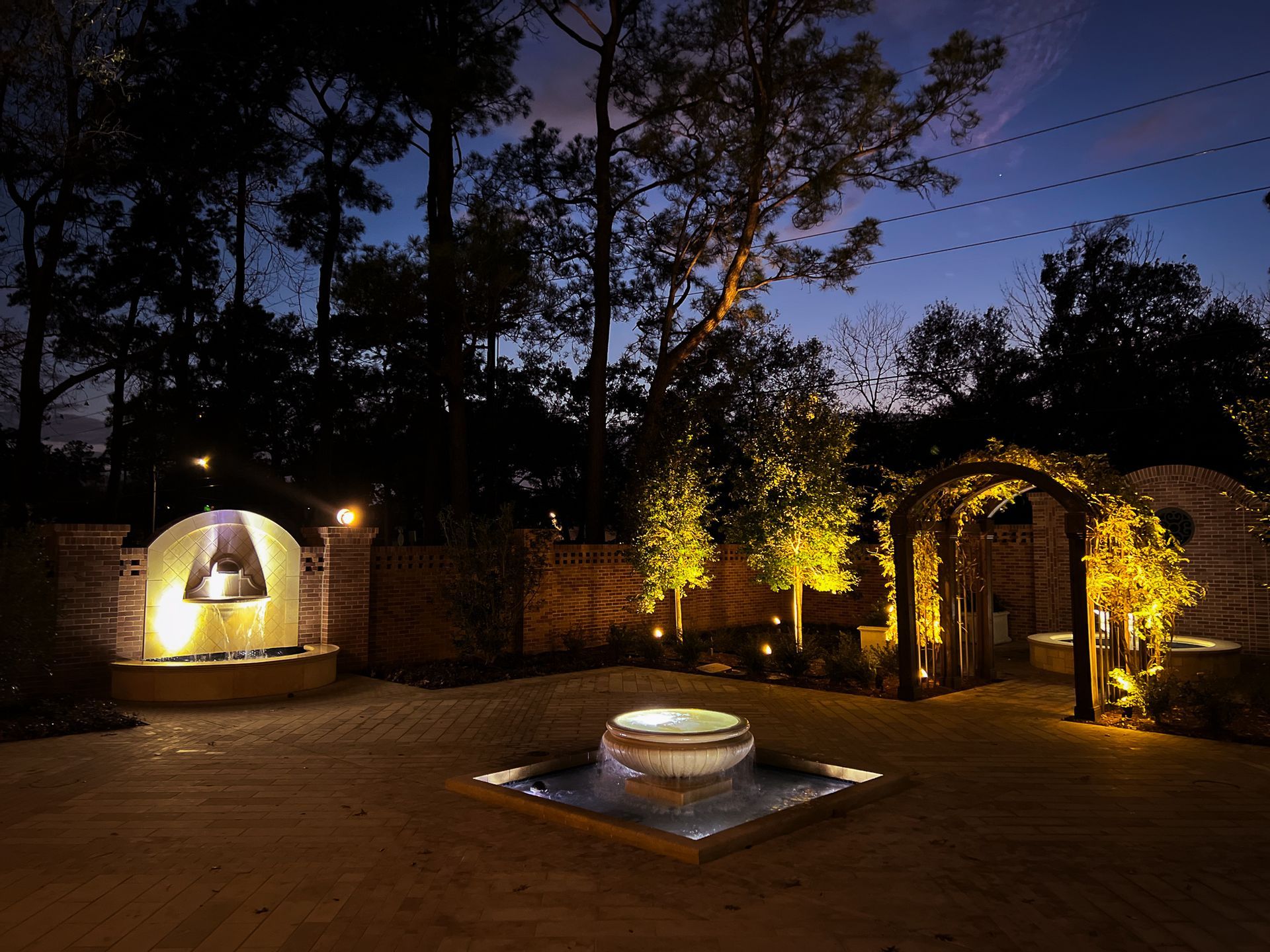
St. Martin's Church - Houston, TX
February 6, 2026
Harbor Steps Fountain - Seattle, WA
February 6, 2026
Rodney Square Fountain - Wilmington, DE
By David Hanley February 6, 2026
High Street Fountain Project - Dunwoody, GA
By David Hanley December 29, 2025
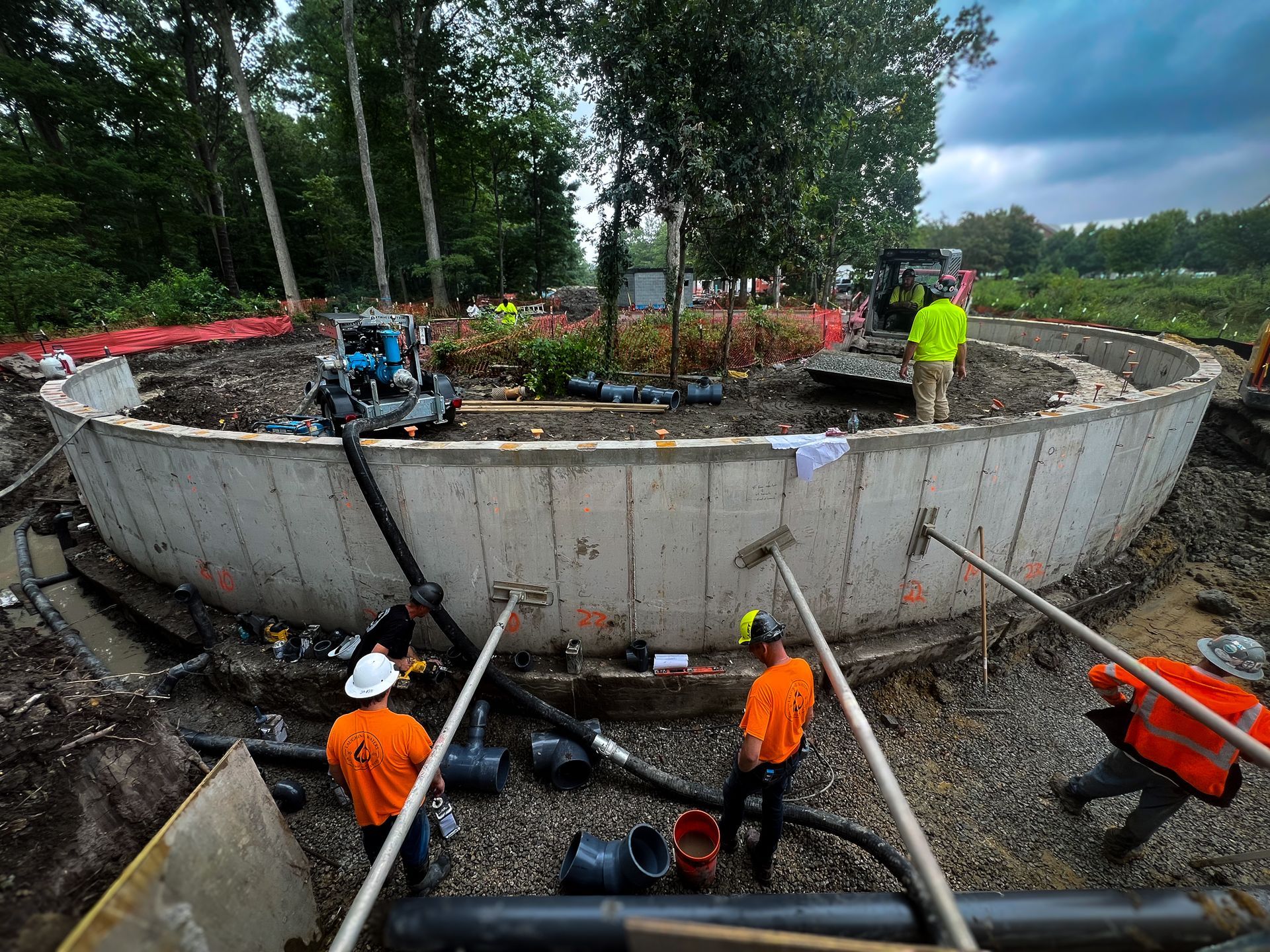
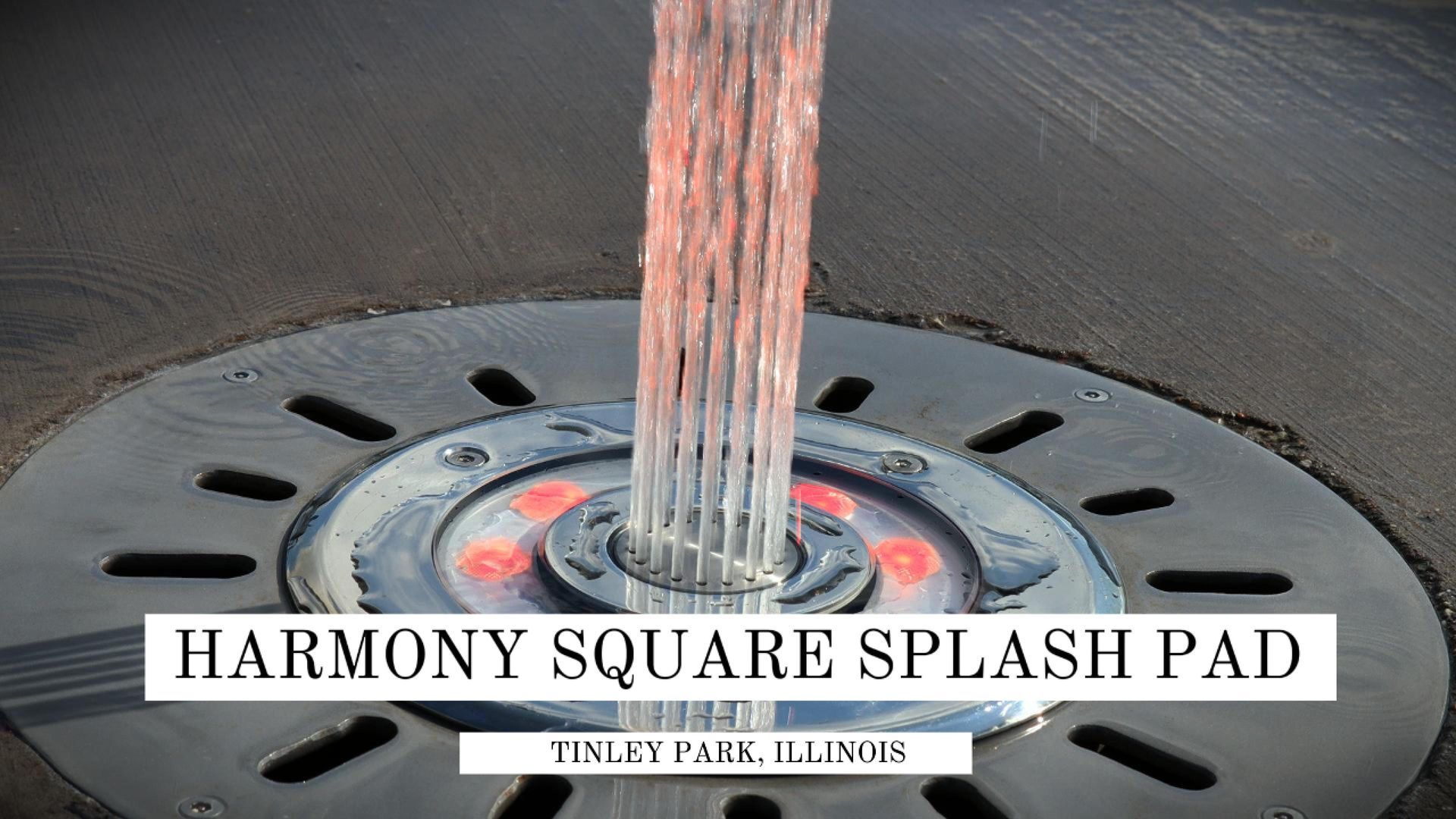
Harmony Square Tinley Park, Illinois Built by Laughing Waters Inc Water feature construction, Splash Pad Construction.
water feature construction - laughing waters
By David Hanley December 2, 2025
Winterizing your Fountain or Splash pad with confidence
January 26, 2022
There are few sites in this world more mesmerizing than a masterfully crafted fountain. Onlookers are immediately taken in by its display of light, color, and perfectly designed aquatic movement. What most viewers of these beautiful structures forget to take into consideration is how complex these water features are to function. Since every fountain is unique, each mechanical setup is custom designed and engineered for each specific project. Most large-scale fountains operate with custom mechanical equipment located either in a mechanical room or in a subterranean vault. Underground or Subterranean vaults save valuable square footage in more expensive real estate locations where a separate above-ground pump room or building may not fit. These subterranean vaults are constructed and whenever possible pre-plumbed with everything needed to operate a fully functioning water feature, including Controls, filtration systems, pumps and a tangled web of intricate plumbing. Subterranean vaults are also perfect for parks and more remote outdoor areas where buildings or structures impede the water feature’s environment. Mechanical rooms for fountains are convenient when the feature is within the building limits. Building Engineers and fountain technicians can easily access all of the fountain equipment for service. These mechanical rooms tend to be common in office buildings or larger campuses and are especially advantageous in colder environments where temperatures can fluctuate.
January 26, 2022
Each and every night, thousands of fountains all over the world light up, illuminating their majestic surroundings into a dreamy elegance. They encapsulate their onlookers with a magical wonder that creates a feeling all its own. It lets the designer highlight subtle nuances of the landscape, creating mystery while maintaining safety and comfort. Fountain lighting technology has improved leaps and bounds over the last decade, making room for an even more cinematic and eye-catching display. Designing proper lighting around a water feature allows its viewers to take advantage of its beauty even after the sunsets. Let’s bask in the glow of Fountain Lighting with some helpful tips and tricks for multiple applications. One of the key elements of lighting water is maintaining a brightness level consistent with the light of its surrounding environment. Indoor water features need to be lit with equal or higher brightness levels for optimal visibility in the setting. When lighting multiple focal points, the light should generally range in brightness within a 3:1 to 5:1 ratio with the main feature at no more than a 10:1 brightness relationship. It is essential to vary your brightness scale of more significant landscapes to accentuate more focal features as well as provide fill light to larger structures.
More Posts